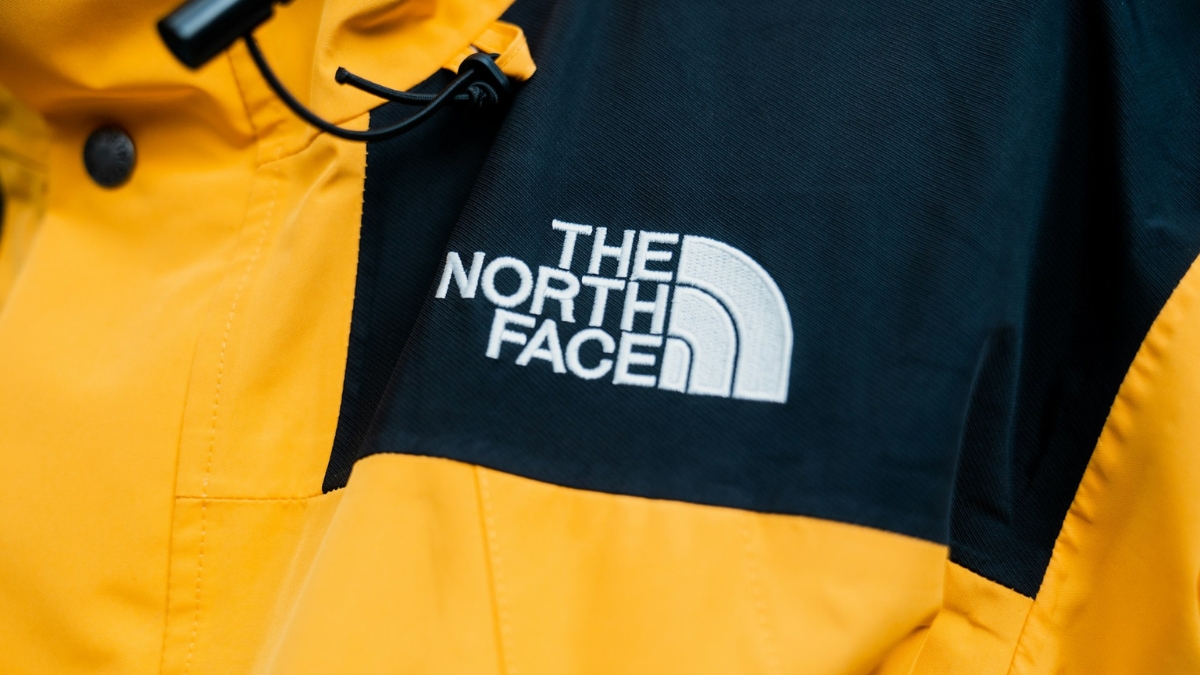
The wild spaces that shaped The North Face are changing fast. Glaciers are shrinking, seasons are shifting, and outdoor adventures face new challenges. That’s why The North Face Sustainability program is pushing for smarter design, cleaner production, and stronger accountability.
The brand has moved beyond performance to focus on protecting the places we all explore. From recycled materials to circular design, their goal is simple. Reduce waste and create gear that lasts. You get reliable products built for endurance and designed with care for the planet.
Here’s how they’re transforming outdoor gear for a better future.
The North Face Sustainability Goals and Vision
The North Face sustainable apparel goals target every stage of production. By 2025, the brand aims for all top apparel fabrics to be recycled, responsibly sourced, or regeneratively grown. Already, more than 85% of their polyester and about 75% of their nylon come from recycled content. That progress reflects real change, not marketing buzz.
The company works closely with cotton farms that use regenerative agriculture. These farms restore soil health and trap carbon naturally. Footwear materials like rubber are now sourced from regenerative farms in Thailand, cutting The North Face environmental impact while helping local communities.
The North Face Environmental Impact and Emission Reductions
Reducing The North Face supply chain emissions reduction is a major focus. The brand has pledged to cut supplier emissions by half by 2030. Using the Higg Index, they track carbon savings across facilities. Their efforts have already eliminated more than 106,000 tons of greenhouse gases.
They’ve saved over 344 million megajoules of energy through clean power projects and efficiency upgrades. Water use has dropped by over six million cubic meters thanks to recycling systems and process changes. These measurable results show progress that’s grounded in data.
Smarter Materials and Responsible Sourcing
Through The North Face responsible sourcing strategy, every fabric and component is reviewed for its environmental footprint. All down insulation meets the Responsible Down Standard (RDS), ensuring animal welfare. The company now blends in recycled down too, cutting resource use.
Traditional PFAS-based coatings are being replaced with non-PFC alternatives. These treatments protect water quality while keeping products durable and weather-resistant.
In partnership with Neste and Mitsui, the brand is also testing CO₂-based polyester fibers made from renewable sources. A bold move toward circular production.
The North Face Recycled Materials Program and Circular Design
The The North Face recycled materials program fuels their The North Face circular design initiative, ensuring gear lasts longer and waste stays low. The Renewed program repairs and resells used jackets, tents, and packs. Every refurbished piece avoids landfill waste and gives customers a lower-cost entry into premium gear.
Trade-in incentives keep the loop going. Customers can exchange used gear for credit, helping materials stay in circulation. Every product is designed for longevity—easy to repair, made from strong fibers, and built to handle years of wear.
Reducing Packaging Waste
Packaging reform has been a key win. The North Face Sustainability program plans to eliminate single-use plastics entirely by 2025. Paper bags in stores are now FSC-certified, and most polybags are made from recycled plastic. Some footwear ships without traditional boxes, cutting unnecessary material use. Accessories are now bundled more efficiently to avoid excess plastic.
Independent Ratings and Next Steps
Third-party reviewers rate the company as “Good” for its environmental and animal welfare efforts. There’s progress still to be made—especially around full transparency and verifying living wages. Yet their dedication to regenerative sourcing and circular systems continues to move the outdoor industry forward.
Pushing Toward a Greener Tomorrow
The North Face Sustainability program blends innovation with accountability. When you choose one of their jackets or packs, you’re supporting measurable climate action. Recycled fibers, ethical sourcing, and thoughtful design prove that quality gear can align with environmental care.
Explore refurbished options, recycle your old gear, and take part in The North Face circular design initiative—a smart way to enjoy the outdoors while helping protect it.
Leave a Reply