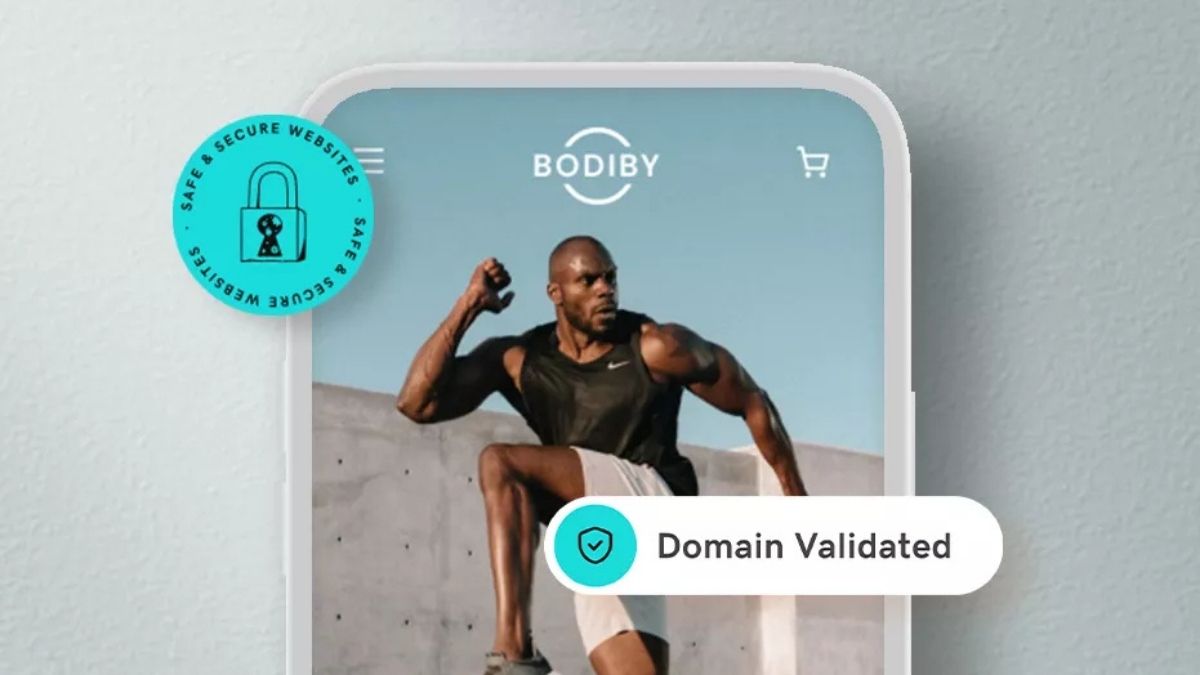
SSL certificates have quietly shifted from “good to have” to “mandatory” over the last decade. In 2025, you simply can’t run a credible website without them.
Even so, many site owners still feel unsure about what SSL actually does beyond adding a padlock icon—so this review-style guide takes a clear, conversational look at how SSL certificates work, where they shine, and what to consider when choosing the right type.
Why SSL Matters More Than Ever
Before diving into features and types, it helps to understand why SSL isn’t just a technical checkbox anymore.
Encryption That Works for You (and Your Visitors)
SSL certificates protect the connection between a visitor and your website. That means if someone tries to intercept data—like form submissions, passwords, or checkouts—they get unreadable noise instead of usable information.
Modern SSL actually uses TLS (its more secure successor), but “SSL” remains the familiar name.
Beyond background encryption, SSL offers instant signals of trust:
- HTTPS instead of HTTP
- Padlock icon in the address bar
- No browser warnings that scare people away
Visitors notice these cues in seconds. They often don’t consciously think about them—but they do react when something seems off.
Trust, Rankings, and Compliance
A secure site tells people you’re serious about protecting their data. Google also ranks HTTPS sites higher, and several regulations (like GDPR, PCI-DSS, and certain industry standards) expect encryption by default. In short: SSL helps you look professional, stay compliant, and remain searchable.
Exploring the Different Types of SSL Certificates
Not all SSL certificates serve the same purpose. Here’s a quick, friendly breakdown of the main categories—without the jargon overload.
Domain Validation (DV): Quick and Straightforward
DV certificates confirm that you control the domain. That’s it.
They’re fast to issue and perfect for:
- Personal sites
- Blogs
- Small projects
- Internal pages
- Sites with no sensitive data
DV is inexpensive and effective, but it offers the least “identity” reassurance.
Organization Validation (OV): The Middle Ground
OV certificates verify your domain and your organization’s legitimacy.
Visitors can view your validated company name in the certificate details, which adds a layer of trust beyond DV.
These are best for:
- Business websites
- Professional service providers
- Brands that want slightly stronger authentication
Extended Validation (EV): Maximum Verification
EV certificates undergo the most rigorous checks. While browsers display fewer dramatic visual cues than they used to, EV still provides the highest identity assurance.
Great for:
- Financial institutions
- Healthcare
- E-commerce handling high volumes
- Organizations prioritizing public trust
Wildcard Certificates: One Purchase, Many Subdomains
A Wildcard SSL (e.g., *.yourdomain.com) secures unlimited subdomains under one certificate.
They simplify life for:
- Growing websites
- Multisite setups
- Platforms with numerous subdomains
Multi-Domain (SAN) Certificates: One SSL for Many Sites
A SAN certificate protects multiple unrelated domains using a single certificate.
Ideal for:
- Larger companies with multiple sites
- Agencies managing many properties
- Organizations wanting centralized control
Managed SSL Services: A Hands-Off Approach
Here’s where the review aspect becomes especially relevant: managing SSL manually can be confusing. That’s why many businesses now look toward managed SSL solutions—particularly those provided by hosting companies.
What Managed SSL Actually Does
Instead of installing, configuring, renewing, and troubleshooting your certificate, experts handle everything behind the scenes. It’s essentially “SSL on autopilot.”
That includes:
- Proper certificate selection
- Installation
- Renewal before expiration
- Monitoring for issues
- Automatic reissuance when needed
The Convenience Factor
People often underestimate how easy it is to misconfigure an SSL certificate—or forget renewal dates altogether. Managed SSL removes that risk.
It’s great for:
- Busy business owners
- Non-technical users
- Teams without security specialists
- Anyone wanting predictable, reliable protection
GoDaddy’s Managed SSL: How It Measures Up
GoDaddy’s managed SSL service highlights what a streamlined experience looks like:
- Installation typically completes within about an hour
- Certificates refresh on 90-day cycles for enhanced security
- Active monitoring helps catch issues before they surface
- Renewal is hands-free
- “Not Secure” browser warnings are eliminated across the site
- Round-the-clock support is available for questions
- Strong user ratings reflect reliability and simplicity
This makes it a practical choice for anyone who wants protection without the stress of managing certificates alone.
What Happens If You Skip SSL
It’s worth briefly touching on the risks:
- Visitors see “Not Secure” warnings
- Sensitive data becomes exposed
- Search rankings drop
- Compliance issues arise
- Conversions drop dramatically
- Brand reputation takes a hit
Even for small sites, the downsides are substantial.
Securing Your Website
SSL certificates have become the foundation of digital trust. Whether you choose a simple DV certificate or a fully managed SSL service, securing your site is one of the most important steps you can take for your audience and your brand.
This review is part of GoDaddy.com, where you can explore more tools and services to support your website. If you’re comparing options, feel free to browse other security products in the same category—they offer plenty of ways to strengthen your site’s protection and performance.
Leave a Reply