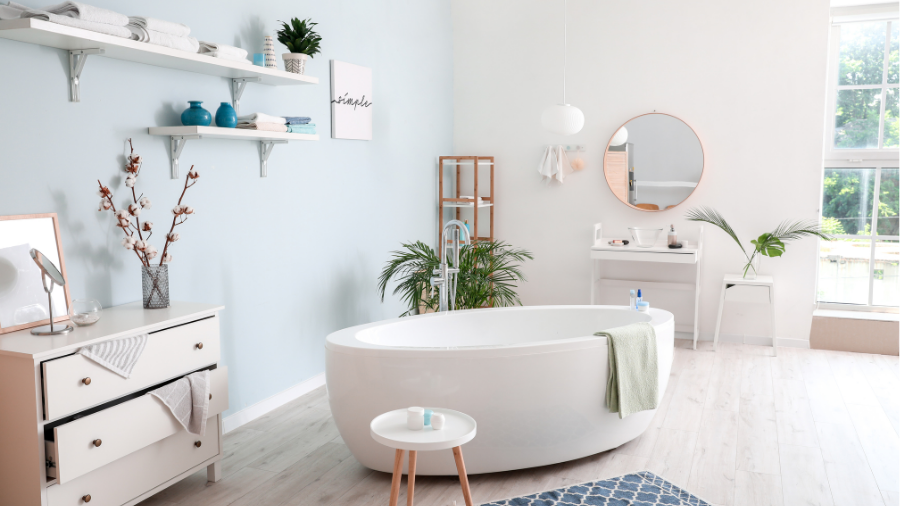
The Centerpiece Effect: Why Vanities Anchor Your Bathroom’s Design Scheme
Bathroom vanities serve as the architectural focal point that determines the overall aesthetic direction of your space. Unlike other bathroom elements that blend into the background, vanities command attention through their substantial footprint and functional prominence. The Marina Bath Vanity in Driftwood showcases this anchoring effect perfectly—its distinctive finish creates an immediate visual foundation that other design elements can complement or contrast against.
When properly selected, a vanity doesn’t merely provide storage and counter space; it establishes the bathroom’s design language. The lines, proportions, and materials of your chosen vanity ripple throughout the space, influencing everything from fixture finishes to lighting choices. This foundational role explains why design professionals typically recommend selecting your vanity first, then building other elements around it.
Size Considerations: From Compact 30″ Singles to Luxurious 60″ Double-Sink Options
Bathroom dimensions dictate appropriate vanity proportions, with options spanning from space-efficient 30″ single-sink models to statement-making 60″ double-sink installations. The 30″ Marina Bath Vanity exemplifies the compact category, providing essential functionality without overwhelming smaller bathrooms. These single-sink models excel in powder rooms, guest bathrooms, and urban apartments where square footage comes at a premium.
Mid-sized bathrooms benefit from 48″ options like the Cadiz Bath Vanity, which offers expanded counter space while maintaining maneuverability within the room. For primary bathrooms, the Alistair 60″ Bath Vanity delivers substantial counter space, dual sinks for simultaneous use, and generous storage capacity. This size category transforms functional necessity into luxurious experience, particularly in master suites where morning routines often involve two people navigating the space simultaneously.
The critical sizing consideration extends beyond the vanity’s footprint to include surrounding clearances—ensuring comfortable traffic flow around the piece while maintaining proper distances from other fixtures.
Premium Materials That Withstand Bathroom Conditions
Bathroom environments present unique material challenges due to constant humidity fluctuations and water exposure. Houzz’s best-selling vanities address these concerns through carefully selected materials engineered to resist moisture damage.
The Marina Bath Vanity’s driftwood finish provides more than aesthetic appeal—it employs specialized sealing techniques that prevent moisture penetration while maintaining the material’s natural character. Similarly, the Cadiz Bath Vanity pairs a composite stone top with a washed ash grey cabinet base, combining water-impervious surfaces with properly sealed wood elements.
The Alistair Bath Vanity showcases oak construction with particular attention to joint sealing and moisture-resistant interior finishes. This careful material engineering explains the price differentiation between budget bathroom furniture and investment-quality pieces that maintain their integrity through years of bathroom humidity cycles.
Style Evolution: Traditional to Contemporary Vanity Designs Available on Houzz
Bathroom vanity design has undergone significant evolution, moving from furniture-inspired traditional pieces to architectural contemporary statements. Houzz’s selection spans this entire spectrum, allowing homeowners to select pieces that complement their overall design vision.
Traditional vanities typically feature raised panel doors, decorative hardware, and furniture-inspired details like turned legs or corbels. By contrast, contemporary designs embrace clean lines, minimal ornamentation, and often floating installations that create visual lightness.
The transitional middle ground, where the Cadiz and Marina vanities position themselves, blends elements from both approaches. These pieces incorporate the warmth and familiar forms of traditional design while embracing the cleaner lines and simplified detailing of contemporary aesthetics. This stylistic flexibility explains their consistent popularity, as they integrate seamlessly into diverse design schemes.
Price-Point Breakdown: What to Expect at Different Investment Levels
Bathroom vanity pricing on Houzz reveals distinct quality and feature thresholds across different investment categories:
At approximately $812, the Marina Bath Vanity represents the entry point for quality-constructed bathroom furniture. This price range typically delivers solid construction basics, moisture-resistant materials, and functional storage design, though with fewer specialized features or premium material selections.
The mid-range category, exemplified by the $1,106 Cadiz Bath Vanity, introduces upgraded materials like composite stone countertops, enhanced hardware quality, and more sophisticated finish techniques. These improvements translate to both visual refinement and extended durability.
Premium options like the $1,463 Alistair Bath Vanity deliver comprehensive quality upgrades, including dovetailed drawer construction, premium slow-close mechanisms, specialized interior organization systems, and higher-grade materials throughout. The investment reflects both immediate aesthetic impact and long-term performance benefits.
Across all price points, Houzz’s best-selling status indicates these vanities deliver recognized value within their respective categories, having earned consumer confidence through consistent performance.
Trending Bathroom Furniture Styles on Houzz in 2025
Industrial Chic: Matte Black Hardware and Raw Material Combinations
Industrial aesthetics have evolved beyond passing trend to establish themselves as a enduring bathroom style category, with particular emphasis on matte black hardware paired with raw material textures. The Alistair Bath Vanity exemplifies this approach with its oak construction complemented by sophisticated matte black hardware elements.
This aesthetic draws inspiration from manufacturing spaces, emphasizing honest materials, visible construction elements, and functional hardware as design features rather than elements to conceal. The contrast between warm wood tones and cool metal finishes creates visual tension that drives the style’s ongoing popularity.
Beyond hardware, industrial chic incorporates exposed plumbing, metal framing elements, and raw concrete or stone surfaces that celebrate utilitarian elements rather than disguising them. This authenticity resonates particularly with urban homeowners and those seeking alternatives to highly polished traditional bathroom aesthetics.
Natural Elements: Wood Tones and Organic Textures Making a Comeback
After years of white-dominated bathroom design, natural materials have reemerged as dominant elements in contemporary bathroom furniture. The driftwood finish of the Marina Bath Vanity captures this return to organic elements, showcasing wood’s inherent character rather than concealing it beneath opaque finishes.
This trend extends beyond mere color to incorporate visible grain patterns, textural variations, and material honesty that connects bathroom spaces to natural environments. The movement represents a counterbalance to technology-dominated daily life, creating restorative spaces that reference natural settings.
The renewed interest in wood specifically challenges the notion that bathrooms require cold, clinical materials. Advanced finishing technologies now enable proper wood protection in humid environments, allowing these warm, organic materials to thrive in previously challenging bathroom conditions.
Minimalist Designs That Maximize Visual Space
Minimalist bathroom furniture continues its strong trajectory, emphasizing clean lines, uninterrupted surfaces, and visual simplicity that expands perceived space. This approach manifests in floating vanities, handle-free drawer systems, and streamlined profiles that reduce visual weight within the bathroom.
The movement centers on the principle that visual simplicity creates mental calm—particularly valuable in spaces dedicated to personal care routines. By eliminating unnecessary ornamentation and reducing visual complexity, these designs create sanctuary-like environments that counterbalance overstimulating modern lifestyles.
Functionally, minimalist designs incorporate clever storage solutions that maintain their clean aesthetic while addressing practical needs. Hidden compartments, touch-latch systems, and interior organizers keep essentials accessible without compromising the furniture’s streamlined exterior presence.
Color Trends: Beyond White and Beige in Bathroom Furniture
Bathroom color palettes have expanded significantly beyond traditional whites and neutrals, with furniture specifically embracing richer, more distinctive finishes. The washed ash grey of the Cadiz Bath Vanity represents this shift toward more definitive color statements within bathroom furniture.
Deep blues and greens have gained particular prominence, introducing nature-inspired tones that maintain sophistication while departing from clinical whites. These colors create psychological cooling effects appropriate for personal care spaces while introducing distinctive character that standard neutrals cannot achieve.
Simultaneously, warm neutrals like taupes, mushroom tones, and soft terracottas offer alternatives to cool whites without committing to bold color statements. These sophisticated neutrals provide timeless appeal with greater warmth and dimension than stark whites and beiges that dominated previous decades.
Mixed Material Approaches: Wood, Stone, Metal, and Glass Combinations
Contemporary bathroom furniture increasingly combines diverse materials within single pieces, creating rich textural and visual experiences. The Cadiz Bath Vanity exemplifies this approach by pairing its washed ash grey wood base with a composite stone countertop, creating material contrast within a cohesive design.
These combinations typically pair complementary materials with distinct properties—cold stone with warm wood, reflective metal with matte finishes, or transparent glass with solid bases. The juxtapositions create visual interest while allowing each material to fulfill its ideal functional role within the piece.
Beyond aesthetics, these combinations optimize performance by positioning appropriate materials where they’re most needed—moisture-resistant surfaces for splash zones, warm wood where touch comfort matters, and durable metals at high-wear points. This functional material mapping explains why mixed-material pieces often command premium pricing despite their more complex production requirements.
Spotlight on Houzz’s Best-Selling Bathroom Vanities
Detailed Review of Marina Bath Vanity: Why It’s Consistently a Top Seller
The Marina Bath Vanity in Driftwood has maintained its best-seller status through a careful balance of quality construction, accessible pricing, and versatile styling. Priced at approximately $812, this 30″ single-sink model addresses key consumer needs without unnecessary cost drivers.
Construction quality represents a primary factor in its sustained popularity. The unit features solid frame construction with engineered wood components specially treated for bathroom environments. Drawer systems employ metal glides rated for daily use, while the cabinet employs proper joinery techniques that resist the eventual loosening that affects lesser-quality furniture.
The driftwood finish strikes a particularly effective balance—distinctive enough to create character but neutral enough to complement diverse design schemes. This versatility allows the piece to adapt to changing accessory and color trends without requiring replacement.
Functionally, the Marina’s proportions suit the most common bathroom configurations, offering adequate counter space and storage volume without overwhelming smaller spaces. This sizing versatility explains its appeal across housing types from urban apartments to suburban homes.
Cadiz Bath Vanity: Features That Justify Its Popularity
At approximately $1,106, the 48″ Cadiz Bath Vanity represents the mid-premium segment with features that justify its price position. The composite stone top provides a significant material upgrade over lower-priced options, delivering superior durability, stain resistance, and moisture impermeability.
The washed ash grey finish offers sophisticated coloration that transcends trend cycles while providing subtle wood grain character. This finish technique involves multiple application steps that create depth beyond what simpler staining processes can achieve.
Size versatility contributes significantly to the Cadiz’s popularity—its 48″ width accommodates most primary bathrooms while offering substantially more counter space than compact models. This dimension hits the “sweet spot” between space efficiency and functional generosity.
Storage configuration reveals careful consumer research, with a combination of drawers and cabinets that accommodate diverse bathroom storage needs. The drawers provide organization for smaller items, while the cabinet sections handle bulkier products that smaller vanities struggle to contain.
Alistair Bath Vanity: The Premium Option That Delivers on Style and Function
The Alistair Bath Vanity represents Houzz’s premium vanity category at approximately $1,463, delivering substantial upgrades that justify its position. At 60″ width with freestanding design, this double-sink configuration serves primary bathrooms with generous proportions and sophisticated detailing.
Material quality sets this model apart, with oak construction that provides superior structural integrity and natural beauty. The wood selection process ensures consistent grain patterns and coloration across the piece—a quality indicator that distinguishes premium furniture from mass-market alternatives.
Hardware selection demonstrates particular attention to detail, with matte black components that provide contemporary industrial notes without trendy excesses. These elements feature solid metal construction rather than plated alternatives, ensuring long-term finish stability in humid environments.
The freestanding design represents a deliberate departure from built-in approaches, creating furniture presence rather than cabinetry appearance. This distinction elevates the bathroom’s overall design sophistication while providing installation flexibility that built-in units cannot match.
Investment-Worthy Bathroom Furniture for Long-Term Value
Quality Indicators to Look for When Shopping on Houzz
Identifying investment-quality bathroom furniture requires attention to specific construction indicators that predict long-term performance. Drawer construction provides one reliable quality metric—dovetail joinery and full-extension glides signal furniture designed for decades rather than years of service.
Cabinet box construction reveals similar quality differentiation, with face-frame designs generally offering superior structural integrity compared to frameless alternatives in wood construction. Proper corner blocking, often visible only by examining interior construction photos, provides another reliability indicator.
Hardware mounting methods significantly impact long-term performance, with reinforced attachment points preventing the eventual loosening that affects lesser-quality pieces. Threaded metal inserts, rather than screws driven directly into wood, indicate construction engineered for repeated use rather than merely adequate initial assembly.
Finish quality, though subjective in appearance, contains objective durability factors. Multiple-step finishes with proper sealing coats resist moisture penetration that eventually compromises both appearance and structural integrity in bathroom environments.
Materials and Construction Details That Ensure Longevity
Bathroom furniture longevity depends heavily on appropriate material selection for high-humidity environments. Marine-grade plywood substrates offer superior moisture resistance compared to standard plywood or particleboard, maintaining dimensional stability through humidity fluctuations that cause lesser materials to swell or delaminate.
Solid woo
Elevate Your Bathroom Experience with Houzz’s Finest Selections
The bathroom has evolved from a purely functional space to a personal sanctuary, and Houzz’s curated furniture collection reflects this transformation. Whether you’re drawn to the Marina’s driftwood finish, the Cadiz’s composite stone elegance, or the Alistair’s oak craftsmanship, investing in quality pieces pays dividends in both daily enjoyment and home value. I’ve found that the right combination of vanity, storage solutions, and complementary pieces creates a cohesive space that feels both luxurious and practical. Ready to transform your bathroom? Houzz’s selection of must-have furniture awaits—bringing together the perfect blend of style, function, and quality that will serve you beautifully for years to come.
Leave a Reply