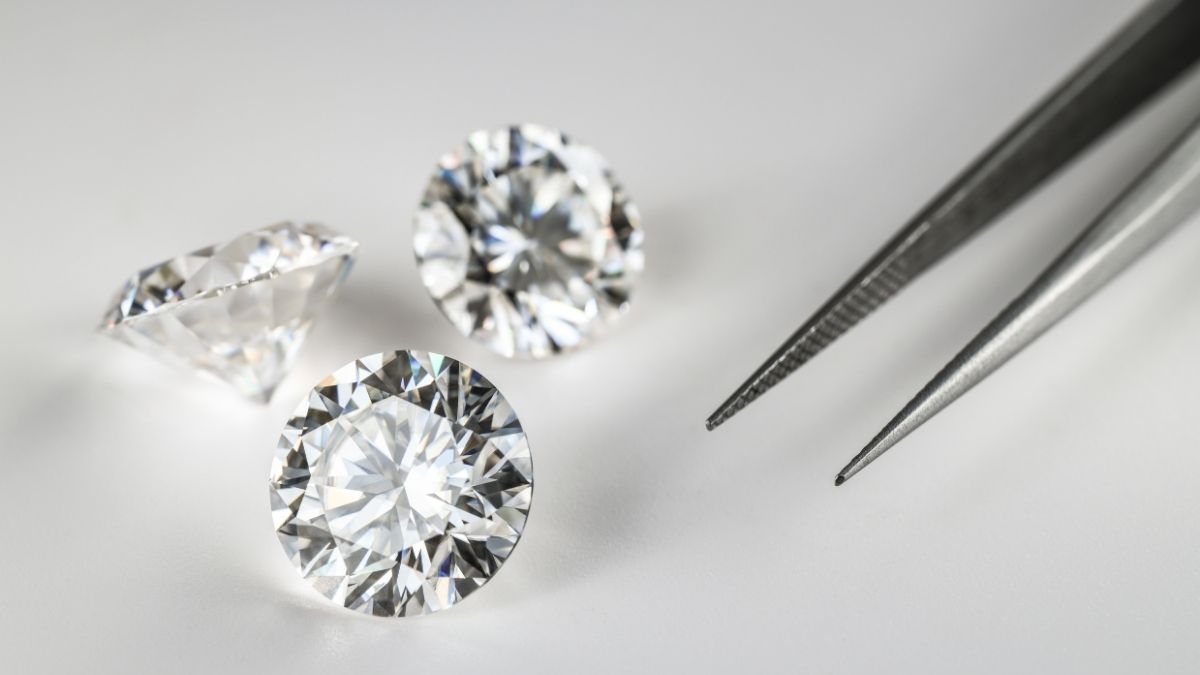
Choosing a diamond today looks very different from even a decade ago. With lab-grown diamonds now widely available—and visually identical to natural stones—the conversation has shifted from “Which one sparkles more?” to “Which choice reflects my values, budget, and long-term expectations?”
Instead of focusing only on tradition or trend, shoppers are now weighing factors like sustainability, symbolism, and cost. This quick guide encourages buyers to pause, consider what matters most to them, and approach the decision with clarity before stepping into a store or browsing online.
Looking at How the Two Diamond Types Fit Your Priorities
Before diving into specifics, it helps to step back and consider what actually drives your purchase. For some, the emotional appeal of a natural diamond—the idea of something formed over billions of years—holds special meaning. For others, the accessibility and size-per-dollar advantage of lab-grown stones feel more in line with their goals. Neither path is inherently better; the value really depends on the buyer’s story.
What Defines a Natural Diamond
Natural diamonds form deep within the earth under intense pressure and heat, taking millions to billions of years to develop. They are mined, cut, graded, and then enter the jewelry market as the stones most people grew up seeing in engagement rings and heirlooms.
For many, the main draw is the romance of rarity. A natural diamond carries the weight of geological history, which gives it a distinct emotional resonance. Some buyers also appreciate how natural diamonds tend to maintain stronger long-term value, a factor often considered when purchasing engagement rings or milestone jewelry.
What Defines a Lab-Grown Diamond
Lab-grown diamonds share the same physical, chemical, and optical properties as natural diamonds. They’re created under controlled conditions using advanced technology that replicates the heat and pressure found underground.
The appeal here typically revolves around two aspects: cost and ethics. Lab-grown diamonds generally cost significantly less per carat, which means shoppers can often afford larger sizes or higher clarity grades. They’re also viewed as a more sustainable option by people who want to minimize environmental impact or support alternative sourcing methods.
The 4 C’s Still Matter—Regardless of Diamond Type
Before comparing stones side by side, it’s worth revisiting the classic 4 C’s: cut, color, clarity, and carat weight. These remain universal measures that affect the beauty and value of both natural and lab-grown diamonds.
Cut: The Most Important “C”
Cut determines brilliance—how the diamond handles light. A well-cut diamond, whether natural or lab-grown, will outshine a poorly cut stone regardless of size. Many shoppers are surprised by how dramatic the difference can be.
Color and Clarity
Preferences can vary widely. Some buyers enjoy the icy, almost colorless grades like D–F, while others don’t mind a touch of warmth, especially when set in yellow gold. Clarity is all about inclusions—tiny internal features that don’t always impact sparkle as much as one might expect. For lab-grown diamonds, clarity can sometimes be higher due to controlled conditions, though both types follow the same grading standards.
Carat Weight
This is usually where budget becomes a central factor. Lab-grown diamonds allow buyers to explore larger sizes without stretching finances, while natural stones often command premium pricing at higher carats.
Matching the Diamond to the Jewelry
Before settling on a stone, many shoppers consider how it will pair with the setting or piece of jewelry they have in mind. For example, vintage-inspired halos often emphasize a diamond’s sparkle, making cut quality even more important. Solitaire rings highlight the diamond itself, which can shift attention toward clarity and color. Earrings or pendants, on the other hand, may offer more flexibility since they’re viewed from a distance.
Thinking About Longevity and Sentiment
Natural diamonds tend to retain value more predictably, which matters to buyers thinking in terms of heirlooms. Lab-grown diamonds, while identical in appearance, generally depreciate more quickly—something worth knowing for long-term expectations.
Still, sentiment can’t always be measured in market terms. For many, the personalization of jewelry—whether through engraving, birthstones, custom settings, or meaningful metals—far outweighs the type of diamond at the center.
Where It Stands
Choosing between natural and lab-grown diamonds is less about finding a “right answer” and more about understanding what feels right for your lifestyle, symbolism, and budget. Both offer beauty, durability, and endless design possibilities—just in slightly different ways.
This guide is part of The Helzberg Diamonds collection of resources. If you’re exploring diamond options, you may enjoy browsing other fine jewelry pieces in the same category to help compare styles and stones.
Leave a Reply