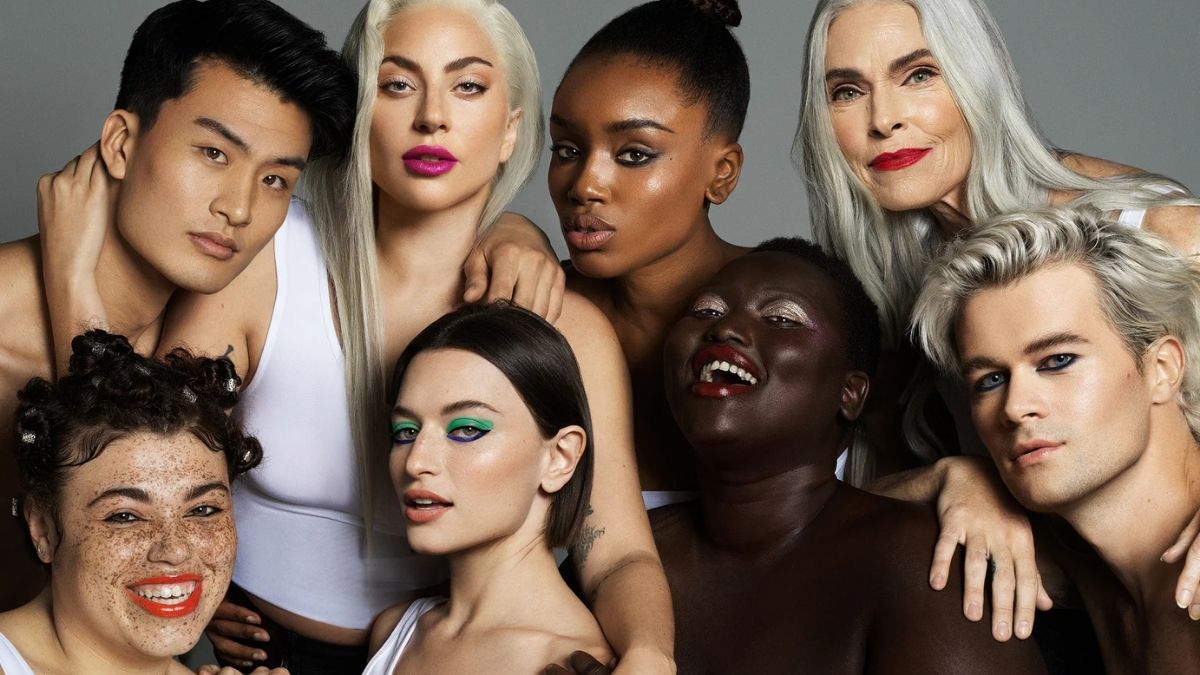
Founded in 2012 by Lady Gaga and her mother, Cynthia Germanotta, the Born This Way Foundation (BTWF) is a nonprofit built to meet young people where they are.
Its mission is to create a “kinder, braver world” by supporting youth mental health, reducing stigma, and helping communities practice care in everyday life.
The foundation treats kindness as more than a nice idea. It frames it as a skill that can protect emotional well-being and strengthen social connection.
Why the foundation began
BTWF grew from Gaga’s public honesty about her own mental health struggles and her desire to change how young people experience support. Instead of focusing only on crisis response, the foundation works upstream.
It aims to prevent isolation, normalize asking for help, and build environments where youth feel they belong.
A key part of its identity is being youth-centered. Young people are not just recipients of help. They help shape the programs and the language used.
That keeps the work grounded in real experience rather than assumptions about what youth “should” need.
How BTWF turns kindness into mental-health support
BTWF programs are designed to be simple enough to join, but deep enough to matter. They focus on daily practice, peer connection, and practical education.
#BeKind21
#BeKind21 is the foundation’s signature kindness challenge. It runs for 21 days each year, encouraging one intentional act of kindness per day. The structure helps kindness become routine rather than occasional. Participants are nudged to be kind to others, to their communities, and to themselves. Over time, that habit supports mental health by reducing loneliness and increasing positive social contact.
Be There Certificate
The foundation also offers the Be There Certificate, created with youth mental-health partners.
It is a free course that teaches people how to show up for someone who may be struggling. Instead of pushing vague encouragement, it focuses on usable skills, like recognizing warning signs and listening without judgment.
This helps young people feel less alone, and helps friends and adults feel more confident offering support.
#Someone2Turn2
This campaign encourages young people to identify at least one trusted person they can reach out to when life feels heavy. It targets a common barrier in youth mental health: the fear of being a burden or not being understood.
By normalizing help-seeking, it makes support feel more reachable and less risky.
How the Kindness in Community Fund expands impact
BTWF does not try to do everything alone. Through the Kindness in Community Fund, it gives grants to youth-focused organizations around the world. These groups often provide direct mental-health services, but many also address the conditions that shape emotional safety.
The fund supports work tied to things like shelter, food security, and identity-affirming spaces.
This approach matters because mental health is not separate from daily life. A young person who is unsafe, hungry, or rejected by their community is at higher risk.
Funding local groups lets support reach youth through trusted, culturally aware partners.
How Haus Labs supports the mission
Haus Labs by Lady Gaga links beauty and mental-health advocacy through built-in giving. Purchases on the brand’s official site trigger a direct donation to BTWF.
The point is not just fundraising. It is visibility. By tying giving to a routine activity, the partnership keeps kindness and mental health in everyday conversation.
In 2025, Haus Labs and Sephora expanded that impact through the “We Belong To Something Beautiful” Pride campaign.
During the campaign window, each Haus Labs purchase contributed to the Kindness in Community Fund, with a focus on supporting LGBTQIA+ youth.
This matters because LGBTQIA+ young people face higher rates of depression, anxiety, and social rejection, and often need targeted safe spaces.
How BTWF builds safe spaces and peer connection
BTWF leans into digital community because young people often look for help online first. The foundation shares toolkits, youth stories, and support resources through its platforms.
That storytelling element is not decorative. It reduces shame. When teens see peers speak honestly about struggle and recovery, it makes their own feelings feel less isolating.
Many funded partners also create physical safe spaces. These are places where youth can show up fully as themselves without fear of judgment.
A sense of belonging is a protective mental-health factor, so BTWF invests in spaces that strengthen that feeling directly.
How BTWF measures and strengthens its work
BTWF takes a research-backed approach. It partners with experts to study the effects of kindness on well-being and uses youth surveys to track shifting needs.
Instead of keeping its programs fixed, it updates them based on evidence and feedback. That keeps the foundation relevant as new challenges emerge.
Ways to join the movement
You do not need fame or money to participate. Small, steady actions are part of the model.
- Join #BeKind21 and commit to daily kindness for 21 days.
- Take the Be There Certificate and share it with friends or community groups.
- Support or amplify the Kindness in Community Fund so local youth programs can grow.
BTWF shows what happens when mental-health work is youth-led and community-powered.
Kindness becomes a practice, not a slogan, and that practice helps young people feel safer, stronger, and more connected.
Leave a Reply