
Did you know that the average American spends over 7 hours a day staring at digital screens? That’s a lot of blue light exposure!
As we dive deeper into the digital age, protecting our eyes has become more crucial than ever. Enter blue light glasses – the trendy yet practical solution to combat digital eye strain. But what exactly are they, and do they really work? Let’s embark on an eye-opening journey to explore the world of blue light glasses!
What Are Blue Light Glasses and How Do They Work?
Blue light glasses represent a technological innovation designed to address the increasing concern over digital eye strain and potential long-term effects of excessive blue light exposure. These specialized eyewear products are engineered to filter out or block blue light emitted by digital screens and other artificial light sources.
Blue light itself is a high-energy visible (HEV) light within the visible light spectrum, with wavelengths ranging from 380 to 500 nanometers. Natural sunlight is the primary source of blue light, but it’s also emitted by LED lights, fluorescent bulbs, and most notably, the screens of our digital devices such as smartphones, tablets, computers, and televisions.
The filtering technology in blue light glasses typically works through specially designed lenses. These lenses incorporate materials or coatings that selectively filter out blue light wavelengths. Some glasses use a yellow-tinted lens to counteract blue light, while others employ more advanced coatings that don’t alter the color perception significantly.
Several types of blue light glasses are available in the market:
- Over-the-counter (OTC) non-prescription blue light glasses
- Prescription blue light glasses
- Clip-on blue light filters for existing eyewear
- Computer glasses with magnification and blue light filtering
Each type caters to different needs and preferences, allowing consumers to choose based on their existing vision requirements and lifestyle.
The Benefits of Wearing Blue Light Glasses
The primary advantage of using blue light glasses is the reduction of digital eye strain, also known as Computer Vision Syndrome (CVS). Symptoms of CVS include eye fatigue, dryness, irritation, and blurred vision. By filtering out a portion of the blue light, these glasses can help alleviate these symptoms, especially for individuals who spend extended periods in front of digital screens.
Improved sleep quality is another significant benefit associated with blue light glasses. Blue light exposure, particularly in the evening, can disrupt the body’s natural circadian rhythm by suppressing melatonin production. By wearing blue light glasses in the hours leading up to bedtime, users may experience improved sleep onset and quality.
Some research suggests that long-term exposure to blue light may contribute to age-related macular degeneration (AMD), a leading cause of vision loss. While more studies are needed to establish a definitive link, wearing blue light glasses could potentially offer a preventive measure against AMD.
Enhanced visual comfort during screen time is an immediate benefit reported by many users. The reduction in glare and contrast provided by blue light glasses can make extended screen use more comfortable, potentially increasing productivity and reducing eye-related discomfort.
Choosing the Right Blue Light Glasses for You
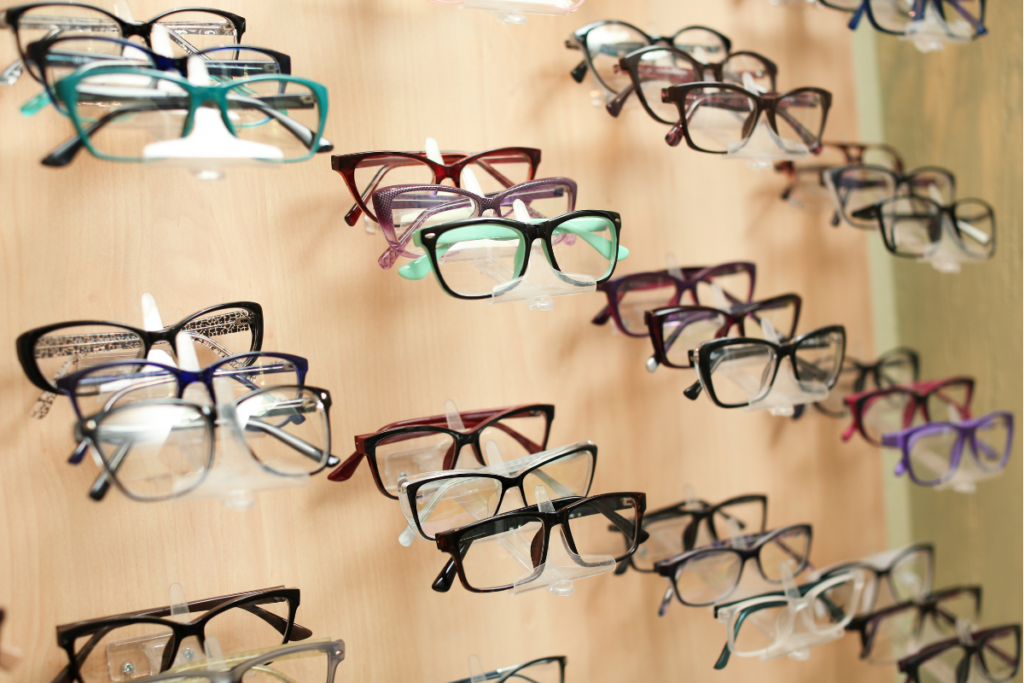
Selecting the appropriate blue light glasses involves considering several factors:
- Lens quality: Look for lenses that effectively filter blue light without significantly altering color perception.
- Frame comfort: Choose frames that fit well and are comfortable for extended wear.
- Style: Select a design that suits your personal taste and professional environment.
- Additional features: Some glasses offer anti-reflective coatings or scratch-resistant surfaces.
The decision between prescription and non-prescription options depends on your existing vision needs. If you already wear corrective lenses, you may opt for prescription blue light glasses or consider clip-on filters for your current eyewear.
A wide array of styles and designs are available, ranging from classic to trendy. Some popular frame styles include:
- Aviator
- Wayfarer
- Cat-eye
- Round
- Rectangle
Top brands in the blue light glasses market include:
- Warby Parker
- Felix Gray
- Gunnar Optiks
- Zenni Optical
- JINS
Each brand offers unique features and design elements, catering to different preferences and budgets.
How to Use Blue Light Glasses Effectively
To maximize the benefits of blue light glasses, consider wearing them:
- During extended computer or digital device use
- In the evening hours, especially before bedtime
- Under artificial lighting conditions, such as fluorescent or LED lights
Proper care and maintenance of your blue light glasses will ensure their longevity and effectiveness:
- Clean the lenses regularly with a microfiber cloth
- Store the glasses in a protective case when not in use
- Avoid exposing the glasses to extreme temperatures or humidity
While blue light glasses can be beneficial, they should be used in conjunction with other eye care practices:
- Follow the 20-20-20 rule: Every 20 minutes, look at something 20 feet away for 20 seconds
- Maintain proper posture and screen distance
- Use appropriate lighting in your workspace
- Stay hydrated and blink frequently to prevent dry eyes
It’s important to address some common misconceptions about blue light glasses:
- They don’t completely block all blue light, nor should they
- They’re not a substitute for regular eye exams or proper sleep hygiene
- They don’t cure existing eye conditions or vision problems
The Science Behind Blue Light and Eye Health
Research on blue light’s effects on eye health is ongoing and somewhat controversial. Some studies suggest that prolonged exposure to blue light may lead to:
- Digital eye strain
- Disrupted sleep patterns
- Potential retinal damage (in extreme cases)
However, it’s important to note that the amount of blue light emitted by digital devices is significantly less than that from natural sunlight.
Expert opinions on the effectiveness of blue light glasses vary. While many eye care professionals recommend them for reducing digital eye strain, some argue that the benefits are primarily due to the placebo effect or the reduced glare rather than blue light filtering.
The American Academy of Ophthalmology (AAO) states that there is no scientific evidence that blue light from digital devices causes eye damage. However, they acknowledge that these devices can contribute to eye strain and sleep disruption.
Potential long-term benefits of using blue light protection include:
- Reduced risk of age-related macular degeneration (AMD)
- Better long-term sleep quality
- Decreased incidence of cataracts
More longitudinal studies are needed to conclusively determine these long-term effects.
Beyond Glasses: Other Ways to Protect Your Eyes from Blue Light
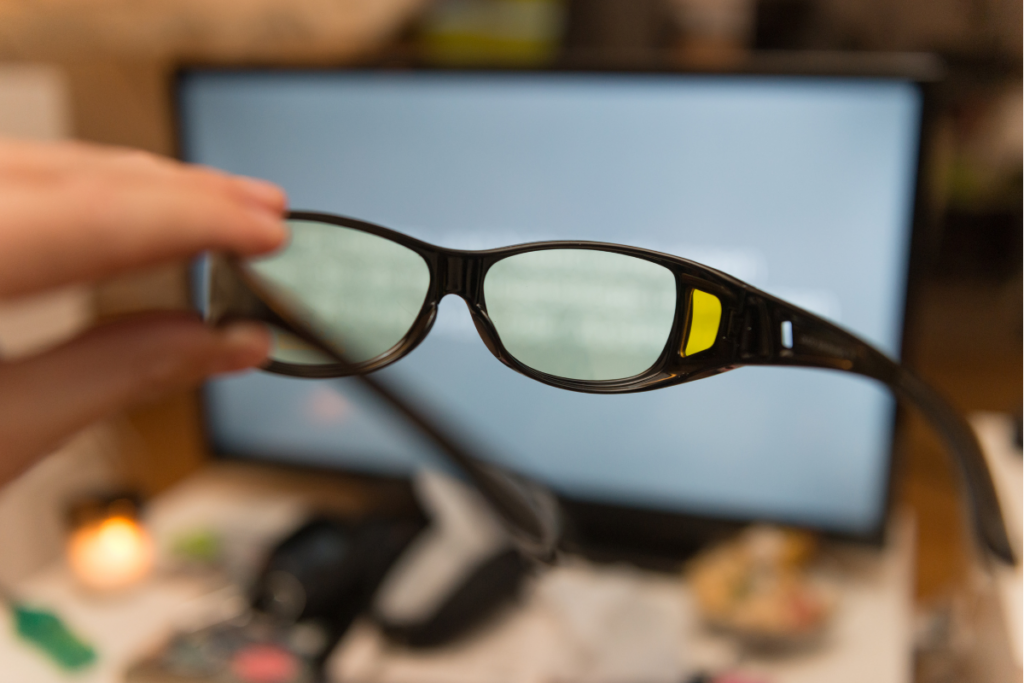
While blue light glasses can be effective, there are additional measures you can take to reduce blue light exposure:
Digital device settings and apps for blue light reduction:
- Night mode or blue light filter settings on smartphones and tablets
- F.lux or similar software for computers
- Screen protectors with blue light filtering capabilities
Environmental changes to reduce blue light exposure:
- Adjust room lighting to warm tones in the evening
- Use warm-colored LED bulbs or traditional incandescent lights
- Limit screen time, especially before bedtime
The 20-20-20 rule is a simple yet effective practice to reduce eye strain:
- Every 20 minutes
- Look at something 20 feet away
- For at least 20 seconds
Additional eye exercises to alleviate digital eye strain include:
- Palming: Cover your closed eyes with your palms for 30 seconds
- Figure eight: Trace an imaginary figure eight with your eyes
- Focus shifting: Alternate focus between a near object and a distant one
By combining these strategies with the use of blue light glasses, you can create a comprehensive approach to protecting your eyes in our increasingly digital world.
Your Eyes Will Thank You!
Blue light glasses are more than just a fashion statement – they’re a crucial tool in our digital-centric lives. By understanding how they work and choosing the right pair, you can significantly reduce eye strain, improve sleep quality, and potentially safeguard your long-term eye health. Remember, your eyes are irreplaceable, so why not give them the protection they deserve? Don’t wait – start exploring blue light glasses today and see the world through a clearer, more comfortable lens!
Leave a Reply