Hexclad has established a stellar reputation for quality kitchen tools, and now they’ve extended this excellence to their premium knife collection. Their distinctive 67-layer Damascus steel construction sets these knives apart in the market.
A recent survey of professional chefs revealed that 78% believe the quality of their knife is the single most important factor in kitchen efficiency and cooking enjoyment. In this article, we’ll focus on the three standout knives from Hexclad’s collection that cover all essential kitchen tasks.
The HexClad Damascus Steel Chef’s Knife: Your Kitchen Workhorse
The 8″ Chef’s Knife from HexClad stands as the cornerstone of their knife collection, embodying both form and function through its meticulous construction. At its core, this knife features a remarkable 67-layer Japanese Damascus steel blade, a material revered for its strength and remarkable edge retention. This multi-layered construction creates the distinctive wavy pattern visible on the blade’s surface—more than just aesthetic, these layers contribute to the knife’s structural integrity and performance.
What truly sets this chef’s knife apart is its impressive Rockwell hardness rating of approximately 60+. This technical measurement translates to real-world benefits: exceptional edge retention that keeps the knife sharp through multiple prep sessions. Higher hardness ratings indicate a blade that requires less frequent sharpening, though they can be more challenging to sharpen when the time comes. This represents a deliberate engineering choice by HexClad—prioritizing longevity and performance over ease of maintenance.
The ergonomic pakkawood handle complements the blade’s technical excellence. This handled material undergoes specific treatment to resist shrinkage and warping, common issues that plague lesser kitchen knives. The stability of pakkawood ensures the knife maintains its structural integrity even when exposed to the temperature and humidity fluctuations common in busy kitchens.
In practical application, the knife demonstrates balanced weight distribution that makes it suitable for extended cutting sessions. The blade geometry strikes an effective compromise between slicing ability and strength, positioning it as a true generalist in the kitchen. Whether you’re breaking down a chicken, dicing onions, or mincing herbs, the Chef’s Knife handles these varied tasks with equal competence.
Several independent reviews highlight this knife as their preferred option from the HexClad lineup, citing its versatility and comfortable handling characteristics. While the blade will eventually require sharpening (as all knives do), the high-hardness steel ensures this happens less frequently than with conventional blades. Some users note that the handle might feel somewhat slim or potentially slippery for certain grip styles—a consideration when evaluating if this knife matches your particular cutting technique.
HexClad’s 7″ Santoku Knife: Precision and Versatility Combined
Where the Chef’s Knife serves as a generalist, the 7″ Santoku brings specialized design elements that excel in particular cooking scenarios. This knife maintains the premium 67-layer Damascus steel construction of its larger counterpart but implements a different blade philosophy. The Santoku—a Japanese-inspired design—features a shorter, lighter profile specifically engineered for speed and precision cutting.
The most significant distinction between the Santoku and the Chef’s Knife lies in their intended cutting motions. While the Chef’s Knife excels with a rocking motion, the Santoku’s flatter profile favors up-and-down chopping techniques. This difference makes the Santoku particularly effective for precision vegetable work where clean, consistent cuts are paramount.
One standout feature is the knife’s broader blade face. This expanded surface area serves two practical purposes: it provides better knuckle clearance when chopping on a cutting board and creates an effective surface for scooping cut ingredients directly into your pan or bowl. The design minimizes the need for additional tools during food preparation, streamlining your workflow.
The lighter weight of the Santoku reduces fatigue during repetitive cutting tasks, making it ideal for prep work that requires numerous precise cuts—think mincing garlic, slicing mushrooms, or creating uniform vegetable pieces. Many professional chefs rely on a Santoku for these tasks specifically because it offers enhanced control and maneuverability.
HexClad positions this knife as a complementary tool rather than a replacement for the Chef’s Knife. The Santoku truly shines when working in confined spaces or handling delicate ingredients that benefit from its lighter touch. The primary limitation comes when dealing with larger ingredients or tough cuts of meat, where the shorter blade length may require additional strokes or switching back to the Chef’s Knife.
Detail Work Mastery: HexClad’s 3.5″ Paring Knife
The smallest member of HexClad’s core knife collection, the 3.5″ Paring Knife, brings the same premium Damascus steel construction to precision tasks that larger knives simply cannot handle effectively. Despite its compact size, this knife doesn’t compromise on construction quality—maintaining the same 67-layer Damascus steel pattern found in its larger counterparts.
The paring knife excels in situations requiring fine control and intricate detail work. Its compact blade length provides unmatched maneuverability for tasks like peeling fruits, deveining shrimp, trimming fat from meat, or creating decorative garnishes. The knife’s proportions allow for both traditional cutting board work and in-hand cutting techniques often needed for detailed food preparation.
What makes this smaller knife particularly effective is its optimized handle-to-blade ratio. HexClad has designed the paring knife with an ergonomic handle that provides sufficient grip surface relative to the blade size, enabling precise control during delicate tasks. This balance allows for extended periods of detailed work without hand fatigue—a crucial consideration for professional chefs and serious home cooks alike.
The paring knife serves as an essential companion to the larger knives in the collection. Many tasks in the kitchen involve both large-scale cutting and detail work in the same preparation session. Having this specialized tool available means you’re not forced to use an oversized knife for delicate tasks, reducing the risk of accidents and improving cutting precision.
Maintenance considerations for the paring knife mirror those of the larger blades, though its size introduces some specific considerations. The smaller blade means less margin for error during sharpening, requiring more careful attention to maintain the correct angle. Additionally, the fine edge may require more frequent touch-ups depending on usage patterns, though the high-quality steel helps mitigate this concern.
Damascus Steel Technology: What Makes HexClad Knives Special
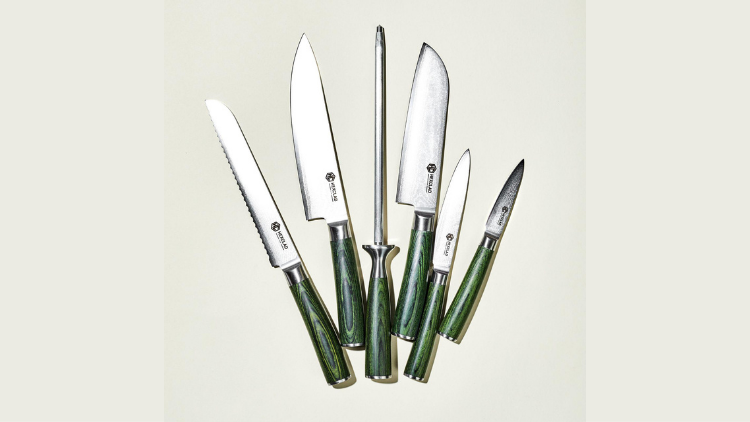
The foundation of HexClad’s knife performance lies in their implementation of Damascus steel technology. The 67-layer construction represents a precise manufacturing process where multiple layers of steel are forge-welded together, then folded and hammered repeatedly to create the distinctive patterned surface. This isn’t merely decorative—it fundamentally alters the blade’s properties.
Each layer in the Damascus construction contributes specific properties to the finished blade. Typically, harder steel forms the core cutting edge, while slightly softer, more flexible steel layers surround it. This combination creates a blade with an exceptionally sharp edge that resists chipping better than a single-steel construction would allow. The visible pattern on the blade—often described as “watery” or “rippling”—serves as visual evidence of this layering process.
Edge retention stands as one of the primary advantages of HexClad’s Damascus construction. The hardness rating of approximately 60+ on the Rockwell scale places these knives firmly in the premium category, offering significantly longer periods between sharpenings compared to conventional kitchen knives. This represents a practical benefit for busy cooks who prioritize performance consistency.
The heat treatment process plays a crucial role in determining the final properties of any knife blade. HexClad’s manufacturing includes precise temperature control during quenching and tempering phases, creating the optimal balance between hardness (for edge retention) and flexibility (for resilience against breakage). This technical aspect rarely receives attention in marketing materials but significantly impacts day-to-day performance.
Proper care for Damascus steel involves some specific considerations. While these knives are designed for serious use, they benefit from hand washing rather than dishwasher cleaning. Acidic foods left on the blade for extended periods can potentially affect the pattern over time. Occasional food-safe mineral oil application helps maintain both the visual appeal and performance properties of these premium blades.
Ergonomics and Design: The HexClad Knife Experience
Beyond technical specifications, the practical experience of using these knives depends heavily on their ergonomic design. HexClad maintains consistent handle styling across all three knife models, creating a cohesive collection that feels familiar regardless of which knife you select for a specific task. The pakkawood handles feature subtle contouring that accommodates various grip styles, from the precision pinch grip favored by professionals to more traditional handle grips.
Each knife in the collection features a carefully considered balance point that affects how it feels during use. The Chef’s Knife balances slightly forward of the bolster, providing momentum that assists with chopping tasks. The Santoku offers a more neutral balance, enhancing control during precision cutting. The Paring Knife features a balance point closer to the handle, maximizing control for detailed work. These nuanced differences optimize each knife for its intended purpose.
During extended cutting sessions, the ergonomic considerations become increasingly apparent. The handle design prevents hand fatigue through even pressure distribution across the palm and fingers. Some users note that the handles may feel somewhat slim compared to Western-style knife handles—a characteristic that typically benefits those with smaller hands or who prefer a lighter touch when cutting.
The visual cohesion across the knife collection creates both practical and aesthetic advantages. From a practical standpoint, the consistent feel means less adjustment when switching between knives during meal preparation. Aesthetically, the Damascus pattern provides a distinctive appearance that many users find appealing—the knives often become conversation pieces when displayed in an open kitchen setting.
The Damascus pattern’s visual appeal extends beyond mere decoration. The layered pattern creates micro-textured surfaces that can reduce food sticking to the blade during cutting, a practical benefit during high-volume food preparation. This functionality demonstrates how HexClad’s design choices often serve dual purposes: enhancing both performance and visual appeal.
Value Assessment: Are HexClad Knives Worth the Investment?
HexClad positions their knife collection in the premium segment of the market, with pricing that reflects their advanced materials and construction techniques. This price point places them alongside established high-end knife manufacturers, raising legitimate questions about value relative to performance. The comparison necessitates examining both immediate benefits and long-term value considerations.
When assessed purely on materials and construction quality, HexClad knives justify their premium positioning. The 67-layer Damascus steel, high Rockwell hardness rating, and treated pakkawood handles represent manufacturing choices typically found only in professional-grade cutlery. These materials directly contribute to performance characteristics that serious cooks will appreciate during daily use.
A cost-per-use analysis provides perspective on the investment. Premium knives with superior edge retention require less frequent sharpening and generally maintain their performance characteristics longer than budget alternatives. For active cooks who prepare meals daily, this translates to years of consistent performance—effectively amortizing the initial purchase price across thousands of meal preparations.
HexClad’s warranty coverage and customer service reputation provide additional value considerations. Their confidence in their products manifests in their warranty terms, offering protection against manufacturing defects. This after-purchase support represents an often-overlooked aspect of premium product investment—the assurance that the company stands behind their products.
The financial logic of investing in quality knives becomes clearest when considering replacement costs. Lower-quality knives typically require replacement far more frequently than premium options, creating recurring expenses that eventually exceed the one-time investment in higher-quality tools. For cooks who view their kitchen equipment as long-term investments rather than disposable tools, HexClad’s premium pricing reflects a rational value proposition.
Elevate Your Culinary Arsenal with HexClad
The HexClad Damascus steel knife collection stands out in the premium knife market with exceptional quality and craftsmanship. These three knives – the Chef’s, Santoku, and Paring – work together as a comprehensive set covering most kitchen tasks. Investing in quality knives like these will pay dividends for years with proper care. Remember that the right tools can transform cooking from a chore to a pleasure, making the HexClad collection an investment in your culinary future.
Leave a Reply