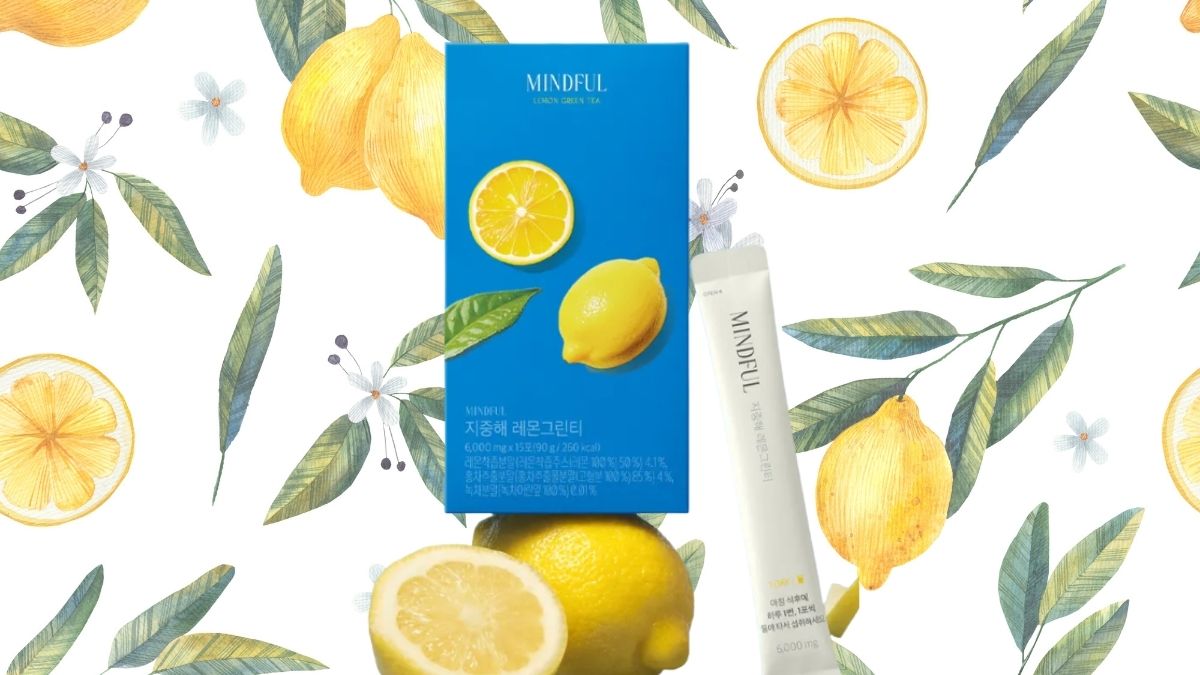
FOODOLOGY’s Mediterranean Sea Lemon Green Tea is positioned as more than a flavored drink mix. It combines Mediterranean citrus with Korean green tea in a way that feels intentional, not trendy.
If you want a convenient alternative to sugary drinks, this blend is clearly trying to earn a spot in your routine.
What makes it interesting is the East-meets-West formula. Organic Spanish lemon juice brings brightness, while Jeju green tea adds that clean, lightly herbal backbone. The result aims for refreshment first, with wellness support as the bonus.
What sets this blend apart
This product comes in a box of 15 single-serve sticks, each with 6 g of powder. That format matters because it removes measuring and guessing. You just pour one stick into water and you’re done.
Sourcing is a big part of the pitch. The lemon component uses 100% organic NFC (not from concentrate) lemon juice from Spain, which keeps the citrus taste closer to fresh lemon compared with generic lemon flavoring.
The green tea powder is made from young Jeju leaves, a region known for producing smooth, high-quality tea.
The formula also keeps calories low and fat at zero. Instead of refined sugar, it uses a natural sweetening system designed to keep the drink light while still tasting like a treat.
A closer look at the ingredients
The core is simple: lemon juice powder plus green tea powder. From that base, FOODOLOGY layers in supporting ingredients to add flavor depth and functionality.
Black tea extract helps round out the tea body, while Moro blood orange concentrate boosts the citrus profile. On the sweetener side, xylitol leads the blend, supported by enzymatically modified stevia and Korean honey powder for a softer finish.
There are also small functional additions. Potassium chloride supports electrolyte balance, and mixed plant extracts like red bean and pumpkin add a gentle nutritional lift. The ingredient list includes citric acid, malic acid, amino acids, taurine, and natural flavor powders.
One practical note: the product contains soybean. If you avoid soy, this is a non-starter.
How it supports wellness goals
The main wellness value comes from pairing citrus antioxidants with green tea catechins. Lemons contribute bioflavonoids that are linked with antioxidant support, while green tea is widely used in routines focused on metabolism and daily energy.
Green tea also brings natural caffeine, but in a gentler form than coffee. Many people find that a tea-based boost feels steadier, especially when they’re trying to reduce heavy stimulants.
Because the drink is low-calorie and sweetened without refined sugar, it can help replace sweet beverages that quietly add up in a day. For people working on weight management, that substitution is often more realistic than cutting everything at once.
The addition of potassium is small but helpful for active users. It supports hydration balance, especially if you drink this after a workout or during long, busy days.
How to use it day to day
Preparation is simple. Mix one stick into about 500 ml of water. It dissolves well in cold water for a crisp drink, but also works warm if you want something soothing.
A lot of users treat it like a morning reset. The citrus flavor feels fresh, and the green tea adds a mild lift without overwhelming your system. Others prefer it mid-afternoon as a lighter alternative to another coffee.
It also fits naturally into fitness routines. Because it’s portable, you can toss a stick into a gym bag or travel kit and still keep your hydration habits consistent.
Who it’s best for
This tea makes most sense for people trying to reduce sugar without giving up flavor. If you’re the type who reaches for soda or sweet bottled tea out of habit, this is an easy swap.
It’s also useful for busy schedules. Single-serve sticks are practical for workdays, travel, or anyone who doesn’t want another complicated wellness step.
Fitness-minded users may like the citrus-tea refreshment plus light electrolyte support. And if you enjoy clean, bright flavors, the lemon profile is a strong match.
Things to keep in mind
If you’re caffeine-sensitive, remember that green tea still contains caffeine. It’s gentler than coffee, but not caffeine-free.
People with acid reflux or very sensitive digestion should pay attention to the citric acid and lemon content. Citrus drinks can be a trigger for some, especially on an empty stomach.
And while FOODOLOGY highlights body-shape and slimming support, it’s not a shortcut. The drink works best as part of a routine that already includes balanced meals, movement, and steady hydration.
Why the Mediterranean-Asian pairing works
The Mediterranean diet is known for leaning on bright, plant-based ingredients. Lemons are a key part of that style of eating, used to lift flavors without heavy additives.
Asian tea traditions bring their own health logic, especially around green tea as a daily staple. Putting these two together feels natural, not forced.
You get a drink that tastes clean and light, while also fitting into wellness habits that focus on consistency over extremes.
A small upgrade for everyday routines
FOODOLOGY’s Mediterranean Sea Lemon Green Tea is a simple product with a thoughtful build. It delivers a refreshing citrus-tea flavor, keeps calories low, and adds gentle functional support through antioxidants and green tea compounds.
If your goal is to drink more water, cut back on sugar, or find a light daily pick-me-up, this fits that space nicely.
Leave a Reply