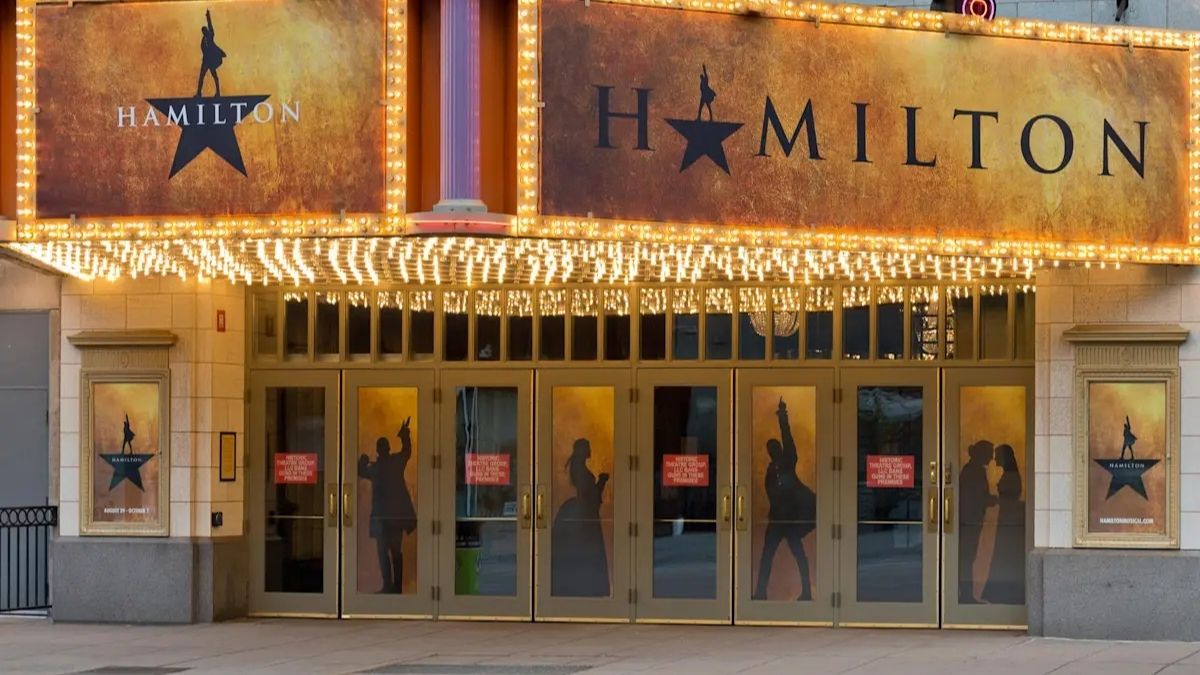
Hearing the opening notes of “Alexander Hamilton” live still hits differently, even years into the show’s run. Demand remains high, and tickets can feel confusing if you’re not sure where to start.
The good news is that buying smart in 2025 is less about luck and more about knowing which channel fits your needs.
Understanding your ticket choices
Hamilton tickets are sold through two main routes. Picking the right one depends on your budget, flexibility, and how specific you want to be about date and seat location.
Primary vs. secondary markets
Primary market tickets come directly from the venue’s box office or its authorized ticketing partner. These are face value, guaranteed valid, and usually the best starting point.
Secondary market tickets are resales listed by other buyers on platforms like StubHub, SeatGeek, or Vivid Seats. They can save the day when the primary market is sold out, but prices often rise well above face value.
Typical price ranges
Face-value Broadway pricing usually follows a tiered structure, with big differences between sections and dates. Expect a wide spread from budget seats to premium orchestra locations.
Resale listings commonly run 1.5–3× higher than the original price, and even more during peak travel or holiday weeks.
Buying through official channels
If tickets are available, the official route is the simplest and safest way to buy. It also gives you the clearest view of real pricing before resale markups kick in.
How to improve your odds
Official ticket blocks are released in waves. When a new batch goes on sale, seats can disappear fast, so it helps to:
- Create your ticketing account in advance and stay logged in.
- Save payment details ahead of time.
- Join the queue early, then refresh only when prompted.
- Be open to multiple dates or mid-week shows.
The digital lottery
Hamilton’s official digital lottery remains the cheapest legitimate option. Winners can buy a small number of seats at a very low fixed price. Odds are tight, but entering takes only a minute, so it’s worth trying if your schedule allows.
Using StubHub and other resale platforms
Secondary markets are not automatically “bad.” They’re just different tools, and sometimes they’re the only realistic path for specific plans.
When resale makes sense
Resale platforms can be useful if:
- The official seller shows “sold out.”
- You need a specific date that isn’t available at face value.
- You want a particular section or row.
- You’re booking last-minute and need instant delivery.
What you’re paying for
Resale prices reflect demand, not quality alone. A seat that cost a certain amount at face value may list far higher simply because the performance is popular or close to the date.
StubHub and similar sites offer buyer guarantees, which usually cover refunds or replacements if tickets fail. That reduces risk, but it does not fully eliminate stress, especially for sold-out nights where replacements may be hard.
Choosing the best seats for Hamilton
Hamilton looks and feels different depending on where you sit. There’s no single “perfect” section, so focus on what matters most to you.
- Orchestra: Best for facial expressions and small acting beats. Great immersion, especially center rows.
- Front mezzanine: Often the best overall view for staging and choreography, usually at a lower price than premium orchestra.
- Rear mezzanine/balcony: Farthest from performers, but gives a full-stage picture and can be the best value.
If you want a strong balance of price and view, the first few mezzanine rows are widely considered the sweet spot.
Timing your purchase for value
Ticket costs shift throughout the year. If you’re flexible, timing alone can shave a meaningful amount off your total spend.
- Best-value seasons: January–February and early autumn often have lower prices.
- Most expensive windows: Summer travel months, major holidays, and school breaks.
- Best days of the week: Tuesday–Thursday shows are usually cheaper than weekend performances.
- Last-minute chances: Resale prices sometimes drop 24–48 hours before curtain as sellers try to avoid losing money.
A good rule of thumb is to start checking 3–4 months ahead, then compare against resale listings as your dates get closer.
Avoiding scams and bad listings
Most ticket purchases go fine, but scams still happen, especially off-platform. Stay cautious with any deal that feels too good.
Watch for red flags like:
- Prices far below normal for that date or section.
- Requests for payment outside the platform.
- Vague seat details or missing row/seat numbers.
- Screenshots that are blurry or cropped oddly.
Stick to verified digital transfers whenever possible. If something looks suspicious, pause and report it before paying.
Touring productions and regional runs
Hamilton tours in multiple cities each year. Tour stops often cost less than Broadway and may offer more seat availability.
Before buying, check the venue’s official ticketing page first. Touring houses can have unique layouts, so a quick look at the seating chart and a few local reviews helps you avoid partial-view seats.
Making show day smooth
Plan the day so the ticket feels like the start of the experience, not the stressful part.
Arrive early enough for security lines and seat finding, and double-check entry policies on the venue’s official website. If you want merchandise, browsing before the show is usually easier than rushing during intermission.
Leave a Reply