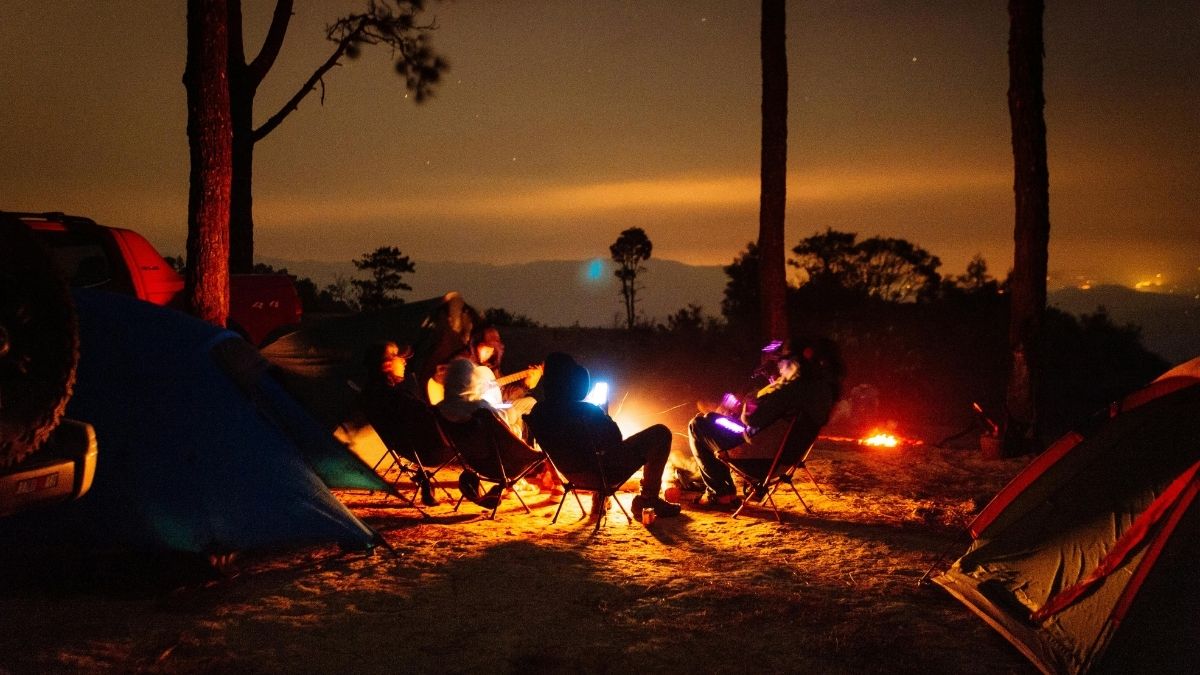
Putting together a dependable outdoor kit can feel overwhelming—especially when premium gear seems to dominate every recommendation. Yet most outdoor enthusiasts know that reliability doesn’t always come from the highest price tag.
With thoughtful choices, a touch of strategy, and an understanding of what actually matters in the field, it’s entirely possible to build a camping and hunting setup that performs without draining your wallet.
Before diving into specifics, it helps to approach this process with a simple mindset: focus on function, avoid unnecessary complexity, and prioritize tools that pull double duty.
Essential Camping Gear
The camping foundation revolves around shelter, sleep, storage, and water—four areas where budget-conscious decisions still yield excellent performance.
Shelter You Can Count On
Simple designs often outperform flashier alternatives. Dome tents, basic teepees, and even military surplus tarps offer stability and weather resistance without unnecessary add-ons. A good shelter doesn’t need gimmicks; it needs structure, airflow, and materials that can handle the elements.
Building a Practical Sleep System
Comfort outdoors comes down to insulation and positioning. Synthetic sleeping bags remain the most forgiving option—reliable in damp conditions and easy to maintain. Pairing one with a closed-cell foam pad or a modest inflatable pad offers warmth and cushioning without the bulky pack weight associated with high-end gear.
Smart Storage & Water Solutions
Military surplus packs and rucksacks are worth considering. They’re built for harsh environments, often last for years, and cost significantly less than many modern packs. Inside the pack, dry bags and simple stuff sacks keep essentials safe from moisture.
For water, even basic filtration straws or compact gravity filters provide more than enough protection for most environments. The key is redundancy: one primary filter and one backup method.
Lighting That Gets the Job Done
Reliable illumination doesn’t require a technical overhaul. A basic headlamp with multiple brightness settings and a simple lantern for camp ambiance is all most campers need. The goal is consistency, not complexity.
Hunting Gear Without the Sticker Shock
Hunting gear brings another layer of decision-making, but the guiding principle remains the same: reliability over flash.
Firearms for New and Experienced Hunters
Entry-level rifles and shotguns from respected manufacturers consistently perform well in the field. Simple, proven platforms outshoot their price tag and often hold up under years of use. They may not have every modern feature, but they deliver accuracy, stability, and ease of maintenance—three things that matter far more.
Optics With Staying Power
Clear glass, dependable tracking, and the ability to hold zero under recoil are what matter most. Several budget-friendly models from established brands deliver all three. Hunters who’ve used them for years consistently report similar performance to optics priced far higher.
Clothing & Field Tools
Military surplus camouflage continues to be one of the most cost-effective clothing options. It’s durable, blends naturally with most environments, and often outlasts recreational hunting apparel.
As for field dressing, there’s no need for specialized multi-blade kits. A sturdy fixed-blade knife, a compact saw, and a pair of gloves cover nearly every scenario. Many seasoned hunters return to this simple setup after experimenting with more complicated alternatives.
Cooking, Fire, and Food Prep
Camp meals become far easier with a stove that’s simple, fuel-efficient, and resistant to wind. Even basic two-burner stoves or minimalist backpacking stoves meet these needs. Pair them with a lightweight metal cook set and a dependable fire starter, and most outdoor cooking tasks are covered.
Food storage doesn’t have to be elaborate either. Durable sacks, simple canister systems, or elevated hang setups can protect food from wildlife while remaining easy to manage.
Navigation & Safety Essentials
Some categories deserve consistent quality regardless of budget. Navigation and safety fall into that group.
Simple Tools That Keep You Oriented
A basic compass and a waterproof map remain the most reliable navigation tools. GPS devices and apps are excellent supplements, but never replacements—especially when battery-powered devices face cold, humidity, and extended trips.
First Aid & Emergency Preparedness
Starting with a standard first aid kit and adding outdoor-specific items—like extra bandages, blister care, or a compact splint—creates a well-rounded kit for most trips. Emergency whistles, reflective signal mirrors, and a reliable fire starter round out the core necessities.
The Art of Smart Shopping
Strategic timing makes budget building far easier. Off-season sales, gear rotations, and membership discounts help stretch each dollar further. Many shoppers also discover that gently used gear—like stoves, tools, and hard goods—performs just as well as new.
Those who build their kits gradually often find they get better performance overall. Experience shapes what is really needed, allowing future upgrades to be meaningful rather than impulsive.
All Things Considered
Building an outdoor kit doesn’t require extravagance. It requires intention, clear priorities, and a willingness to choose practicality over trends. With thoughtful decisions, anyone can create a camping and hunting system that’s dependable, durable, and ready for real adventure.
This feature is part of The Sportsman’s Guide. If you’re exploring essential outdoor equipment, consider browsing other items in the same category to complete your setup.
Leave a Reply