Heating costs keep rising, and many households want fuel that stretches further.
Hardwood pellets remain a strong option because they burn evenly and store easily. Still, pellet quality varies a lot. When pellets are inconsistent, stoves run dirtier, produce more ash, and need more tuning.
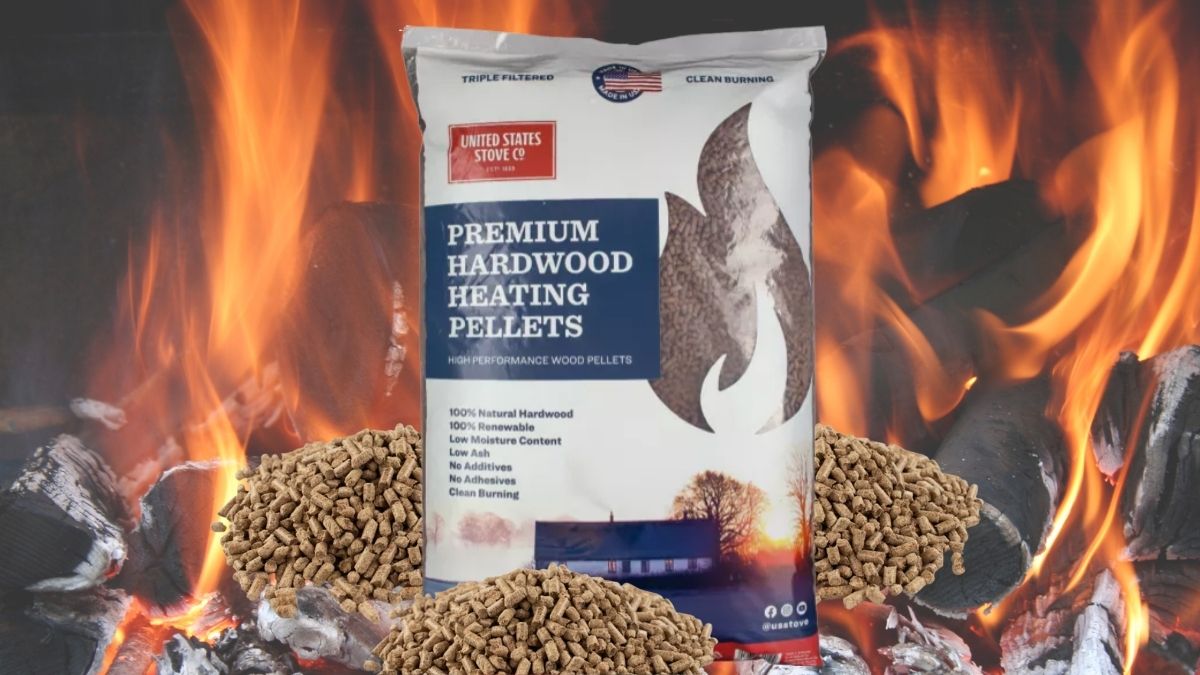
US Stove Hardwood Heating Pellets are built for consistent heat and reduced maintenance. Each 40 lb. bag contains dense, uniform hardwood pellets that feed smoothly in most appliances.
You get reliable warmth, fewer clogs, and less cleanup through the season.
What Makes These Pellets Stand Out?
US Stove focuses on the traits that matter most in daily use. The goal is simple: steady heat with minimal waste.
- 100% hardwood composition. Hardwood is dense. Dense pellets tend to burn longer and more steadily. This helps keep room temperatures stable without frequent setting changes.
- Low ash formula. Less ash means burn pots and ash traps fill more slowly. Airflow stays cleaner, so combustion remains efficient. Many users notice longer gaps between cleanings.
- Uniform size and density. Consistent pellets flow better through augers. This reduces jamming and uneven feeding. It also supports predictable heat output.
- Low dust content. Excess fines can clog chutes and cause flare-ups. A cleaner pellet keeps your hopper and feed path clearer.
- No fillers or additives. These pellets rely on natural wood lignin for binding. This supports a cleaner burn and reduces residue.
- High heat per pound. Dense hardwood pellets deliver strong BTUs. Over time, that can mean fewer bags for the same comfort level.
After a few weeks of use, these differences are easy to feel. The flame stays active. Heat remains steady. Cleanup becomes less frequent.
Appliance Compatibility
A pellet is only useful if it works well in your system. US Stove pellets match standard pellet fuel sizing, so they run in most pellet-burning appliances.
Typical compatible systems include:
- Free-standing pellet stoves
- Pellet furnaces and boilers
- Insert-style pellet heaters
- Multi-fuel biomass appliances designed for wood pellets
- Pellet grills, when your manual allows hardwood heating pellets for cooking
Because the pellets are uniform, they perform well across many major brands. They also help older stoves that are more prone to jams.
Hardwood Pellet Technology, In Simple Terms
Pellet performance comes from how they are made, not just what wood is used.
- Drying. Wood fiber is dried to a controlled moisture level. Too much moisture lowers heat and adds smoke.
- Grinding. The wood is ground into fine material for even compression.
- Compression. High pressure forms dense pellets. Natural lignin binds them as they cool.
Hardwood pellets usually carry more mass per volume than softwood blends. That supports longer burn cycles. It also helps many stoves maintain a clean, stable flame.
Moisture and density are the key balance points. When both are consistent, pellets ignite easier, burn more completely, and create less waste.
Getting the Most From Each Bag
Even premium pellets need proper handling. A few habits can protect performance.
- Store bags in a dry place. Keep them off the ground. Avoid damp basements or exterior walls where condensation forms. Moisture ruins pellets fast.
- Aim for full combustion. A bright, active flame with little smoke is ideal. If pellets pile up or the flame looks lazy, adjust feed and air settings.
- Watch your ash. Low ash pellets should leave a light, powdery residue. Heavy clinkers or sticky buildup often mean airflow issues or overdue cleaning.
- Keep vents clear. Clean exhaust paths maintain draft. Poor draft lowers heat and raises soot. A yearly inspection helps safety and efficiency.
These steps protect the burn quality you are paying for.
Low Maintenance Benefits
Cleaner pellets reduce work over the winter. That matters when your stove runs every day.
- Less frequent cleanouts. Low ash slows buildup. You spend less time emptying trays and scraping burn pots.
- Cleaner heat exchangers. Reduced residue means better heat transfer. Your stove stays efficient longer between deep cleans.
- Lower wear on parts. Less dust and ash reduce strain on auger motors, fans, and sensors. Over years, this can help extend appliance life.
Season-end maintenance also becomes easier. There is simply less hardened debris to remove.
Value Over a Full Season
Premium pellets can cost more per bag. But value depends on heat output and time saved.
- Higher BTUs per pound may reduce total bag use.
- Cleaner burning keeps stoves running efficiently.
- Less ash reduces downtime and maintenance costs.
Buying early or in bulk can lower cost per bag. Prices often rise as winter demand peaks. Planning ahead can protect your budget.
Environmental Notes
Wood pellets are renewable when sourced responsibly. They are made from wood residuals that might otherwise be waste.
Pellet appliances also produce far less smoke and particulate matter than open fireplaces. This makes pellet heat a cleaner solid-fuel option for many homes.
Your Heating Investment
US Stove Hardwood Heating Pellets are a dependable choice for pellet users who want steady heat and fewer hassles.
The hardwood build supports long, even burns. The low ash profile reduces cleaning. Uniform pellets feed smoothly in most systems.
If your priority is reliable winter warmth with less mess, these 40 lb. bags are built to deliver that day after day.
Leave a Reply