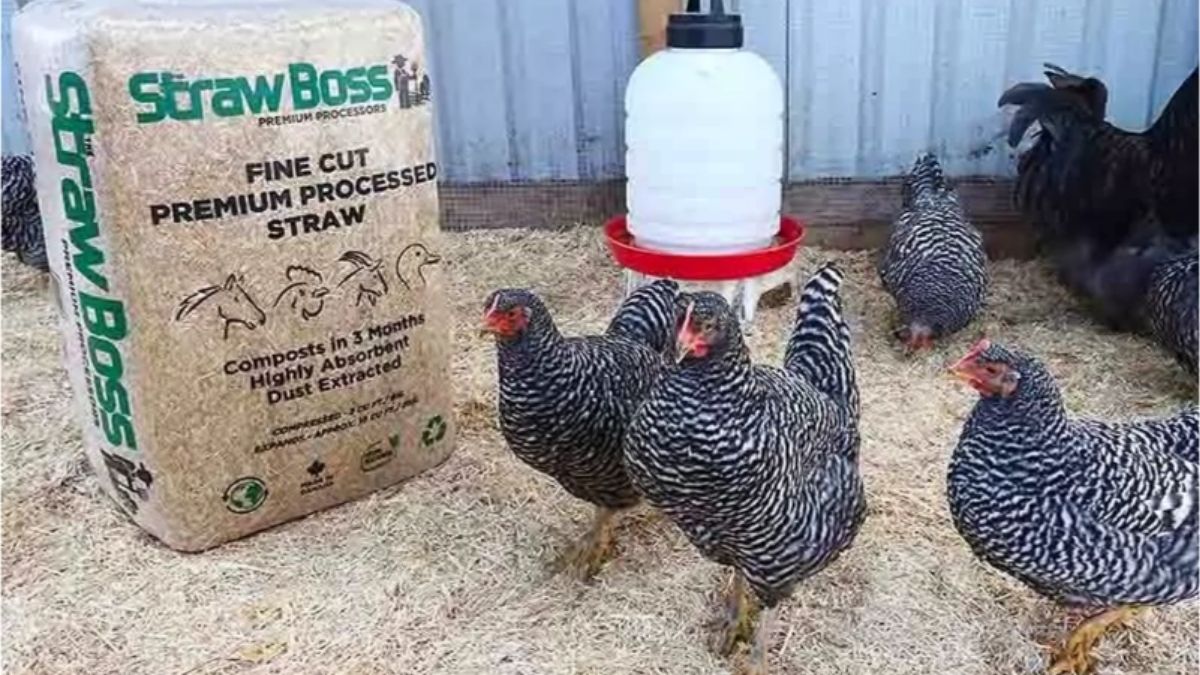
Straw bedding is a staple for many animal owners, but traditional bales often come with the same problems: heavy dust, uneven texture, long strands that tangle, and bedding that breaks down fast once it gets wet.
Greenway Animal Nutrition Premium Chopped Straw Bedding is designed to fix those weak points without giving up the natural benefits of straw. It comes in a compressed 3 cubic foot bag, but once opened and fluffed, it expands into roughly 10–12 cubic feet of usable bedding.
That difference alone changes storage, coverage, and cost per use.
What makes the processing different
Greenway’s bedding is not just chopped shorter. It is processed to improve hygiene and day-to-day handling, which matters because raw straw can carry dust, weed seeds, and microbes.
Here are the main upgrades:
- Heat treatment: The straw is heat-treated to reduce bacteria levels compared to untreated bales. This gives you a cleaner foundation for stalls, pens, and cages. It is especially useful in recovery spaces, birthing areas, or for animals that are sensitive to respiratory irritants.
- Uniform chopped size: The straw is chopped to about 1 inch or less. This creates a consistent surface with no long, rope-like pieces. Spreading is quicker, bedding settles evenly, and cleanup is easier because wet spots lift out without pulling half the stall with them.
- Dust and seed extraction: Greenway claims a 99% dust-extracted process. In real use, that usually translates to less haze in housing, fewer fine particles kicked up when animals move, and lower irritation for caretakers during bedding changes. The reduced weed seeds are also a quiet bonus for anyone composting used bedding later.
These improvements are practical. They affect how clean the air feels, how comfortable the floor stays, and how often you need to do deep cleanouts.
Comfort and absorbency in daily use
Because the straw is short-cut and evenly sized, it forms a flatter, softer bed than long-stem straw.
Animals are not lying on stiff or pokey strands, and the bedding is less likely to shift into thin patches. Once expanded, it feels cushion-like and supportive.
Absorbency is another advantage. Chopped straw distributes moisture more evenly, so you get fewer soggy pockets and less matting.
Drier bedding helps reduce ammonia odors, keeps coats cleaner, and lowers the risk of moisture-related hoof or skin issues for many species.
Most owners notice the benefits in small but steady ways:
- cleaner animals and less staining
- reduced odor buildup in enclosed housing
- fewer full-stall replacements because moisture stays localized
- better rest comfort for animals that spend long hours lying down
Best applications for this bedding
Greenway markets this as multi-species straw bedding, and it fits most places where straw is already a good choice.
Livestock stalls and pens: Horses benefit from the softer feel and low dust, especially in closed barns or for animals with breathing sensitivity.
Goats and sheep also do well on chopped straw because it stays more even underfoot and keeps moisture away from hooves longer. Cattle housing, especially calving areas, benefits from the cleaner, heat-treated starting material.
Poultry housing: Chickens, ducks, and turkeys scratch constantly, which normally throws dust into the air. Lower dust means cleaner coop air, and better absorbency helps manage damp litter and odor.
Small animals and specialty enclosures: Rabbits and guinea pigs can nest and burrow more easily in short-cut straw without getting tangled in long strands. The heat-treated, low-dust nature also makes it appealing for keepers managing sensitive pets.
Garden and compost use: After use, chopped straw breaks down efficiently in compost because the smaller pieces decompose faster. It can also be used as mulch or for winter root protection, where you want even coverage and a biodegradable material.
Cost versus value
Premium chopped straw usually costs more upfront than loose bales. But the expansion factor changes the math. You are not buying 3 cubic feet of bedding; you are buying 10–12 cubic feet once it is fluffed.
That puts the cost per usable cubic foot much closer to standard straw than it looks at first glance.
Value shows up in several ways:
- less storage space before use
- more coverage per bag
- less unusable dusty filler
- longer bedding life because it stays dry deeper into the cycle
- reduced labor due to faster spreading and easier spot cleaning
If your current straw is cheap but dusty and damp-prone, you end up paying in time and extra replacements. This product shifts more of the cost into performance rather than waste.
Tips for getting the best results
To maximize expansion, open the bag in a dry area, break apart compressed sections, and fluff until it loosens fully. Then spread it to your preferred depth. First-time users often underestimate how much volume they will get, so start lighter and add more if needed.
For maintenance, daily spot cleaning keeps the bedding fresh longer. Add small top-ups in high-traffic or frequently wet zones instead of stripping everything at once.
Store unopened or partially used bags in a dry place, and reseal any leftovers tightly to preserve cleanliness and expansion quality.
What to consider before buying
There are a few real-world limits.
Availability depends on region, and shipping can add cost because bedding is bulky. The fluffing step takes a few minutes, which is normal for compressed materials.
Some animals may be picky when switching bedding types, so a gradual transition can help.
Bottom line
Greenway Premium Chopped Straw Bedding is built for cleaner air, softer footing, and less daily mess.
Heat treatment improves hygiene, short-cut sizing simplifies handling, and heavy dust extraction makes housing noticeably easier to live and work in. The expansion from a compact bag into full-stall volume is what ties it all together.
If you want straw bedding that performs better and wastes less time, this is a strong upgrade over standard bales.
Leave a Reply