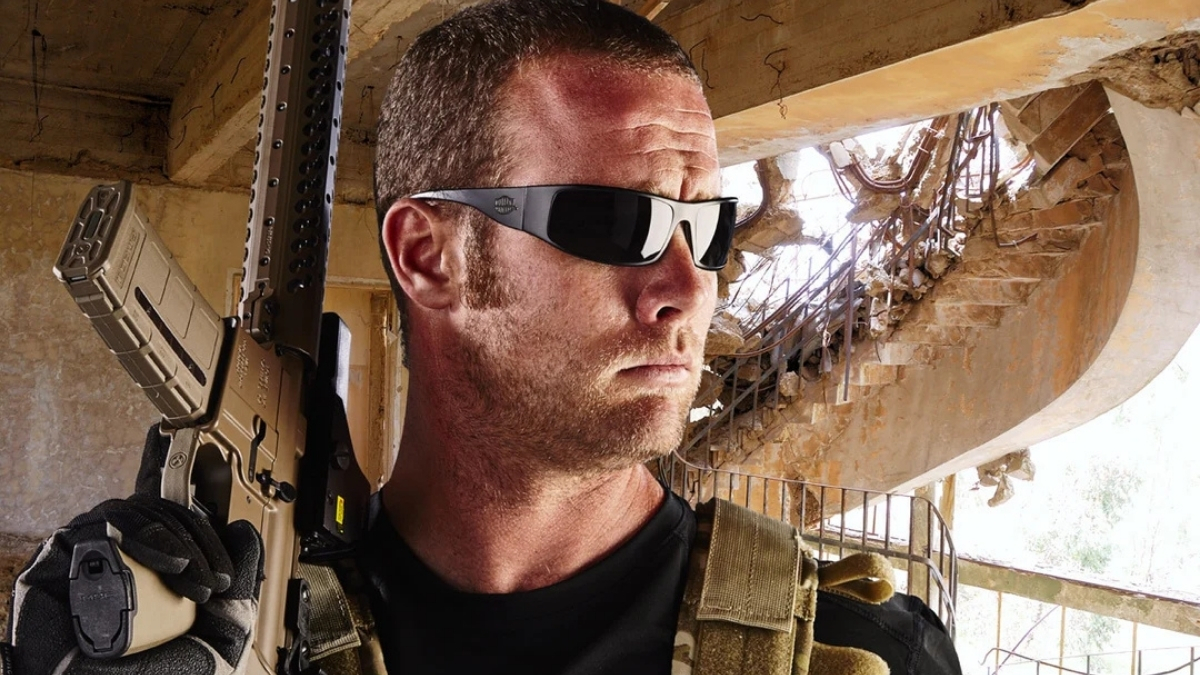
Eye protection isn’t optional in shooting sports—it’s essential. Every shot you take exposes your eyes to fast-moving debris, gas blowback, and bright outdoor conditions.
Without proper eyewear, you risk injuries that can easily be prevented with the right gear.
Many new shooters think basic sunglasses are enough, but true shooting eyewear is designed to handle high-impact hazards and boost your visibility at the range.
When you understand safety ratings, lens types, and comfort features, choosing the right pair becomes simple. This guide breaks down everything you need so you can protect your vision and shoot with confidence.
Why You Need Proper Eye Protection
Eye protectors do more than shield you from discomfort—they prevent serious injuries. Hot casings, metal fragments, and powder debris can fly at high speeds.
Even tiny particles can cause lasting damage. Quality shooting eyewear stops these hazards while helping you see clearly in different lighting conditions.
Most shooting ranges also require compliant eye protection, so having the right pair ensures you follow safety rules and avoid being turned away.
Eye Protection Standards Every Shooter Should Know
ANSI Z87.1 vs. Z87+
Eyewear with an ANSI Z87.1 rating offers basic industrial-grade protection. For shooters, Z87+ is the key rating to look for.
This designation proves the lenses passed high-velocity tests, including impacts from a steel ball traveling 150 feet per second. If you shoot at any range, Z87+ should be your minimum standard.
MIL-PRF-31013
This military standard is tougher than civilian ratings. It tests eyewear against even higher ballistic impacts. Tactical glasses that meet this level deliver the strongest protection available.
UV Protection
If you shoot outdoors, 100% UV-A and UV-B protection is a must. It helps prevent long-term eye damage during long sessions under the sun.
Optical Clarity Class
Look for Class 1 clarity for the sharpest, distortion-free view. Clear vision helps with accuracy and reduces eye strain during longer shooting days.
Featured Product: Allen Over Shooting & Safety Glasses
The Allen Over Shooting & Safety Glasses offer strong protection at an affordable $11.99. They fit comfortably over prescription glasses thanks to oversized temples that prevent pressure buildup.
A rubber top guard helps the glasses stay in place during movement. Their lenses meet the ANSI Z87+ impact standard and provide full UV protection, making them useful for both indoor and outdoor shooting.
For shooters who wear prescription eyewear, this is one of the best low-cost solutions available without losing safety or comfort.
Lens Types and When to Use Them
- Clear Lenses – Best for indoor ranges or low light.
- Yellow/Amber Lenses – Boost contrast and target visibility in dim or overcast conditions.
- Smoke/Gray Lenses – Reduce brightness outdoors while maintaining natural colors.
- Polarized Lenses – Cut glare from water, snow, and reflective surfaces—great for hunters.
Price Tiers: What to Expect at Each Budget
- Budget ($10–$15)
Provides basic protection and meets required standards. Ideal for occasional shooters. - Mid-Range ($20–$40)
Better comfort, clearer optics, and more lens choices from brands like Champion, Radians, and Walker’s. - Premium ($50–$120+)
Military-grade durability, advanced lenses, interchangeable systems, and excellent clarity. Often preferred by competitive and tactical shooters.
Key Features to Look For
Wrap-Around Frames
Protect your eyes from side impacts and flying debris.
Anti-Fog Coating
Helps maintain clear vision in humid or high-activity situations.
Scratch-Resistant Lenses
Keep your lenses clear even after repeated use and cleaning.
Low-Profile Temples
Work smoothly with earmuffs so you don’t lose hearing protection.
Adjustable Fit
Customizable nose pads and temples help your glasses stay put during movement.
Eye Protection for Different Shooting Styles
- Range Shooting – Needs comfort and anti-fog performance.
- Hunting – Benefits from contrast-enhancing and glare-reducing lenses.
- Competition Shooting – Requires wide views and quick lens changes for shifting lighting.
- Tactical Use – Demands top-level impact resistance and compatibility with helmets and communication gear.
How to Care for Your Shooting Eyewear
Clean lenses with a microfiber cloth and a lens-friendly solution. Avoid harsh chemicals. Store your glasses in a protective case when not in use to prevent scratches.
Check often for cracks or damage, and replace eyewear immediately if any impact has weakened its structure. Even small defects can reduce protective strength.
Smart Buying Tips
- Always choose Z87+ or higher for shooting.
- If you wear prescription glasses, consider over-frame models like Allen.
- Check that the glasses work well with your earmuffs.
- Match lens tints to your shooting environment.
- Choose anti-fog if you shoot outdoors or move a lot.
- Test fit whenever possible to ensure long-term comfort.
Take Control of Your Eye Safety
Your vision is worth protecting every time you step onto a range or into the field. From budget-friendly options to premium ballistic glasses, there’s a safe choice for every shooter.
Make high-quality eye protection a consistent part of your gear so you can enjoy shooting confidently and safely for years to come.
Explore your options now and choose the pair that will keep your eyes protected on every shot.
Leave a Reply