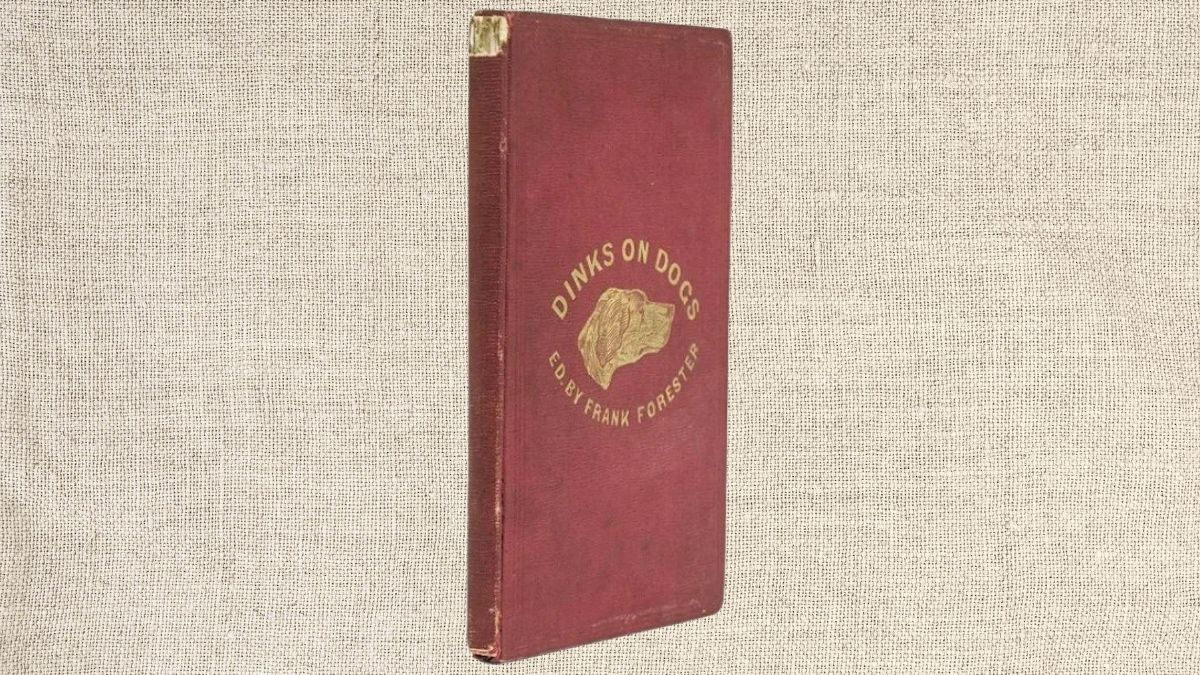
Among the treasures of 19th-century sporting literature, The Sportsman’s Vade Mecum holds a special place. First published in 1850, this work stands as a faithful reflection of a bygone era—when field sports were both a science and a lifestyle. Edited by Frank Forester and penned by “Dinks,” this guide captures not only the technical know-how of the sporting gentleman but also the tone and temperament of its time.
Before diving into its finer details, it’s worth noting how this book bridges history and practice. While modern reprints now make it accessible to today’s readers, the text’s original character remains untouched—a rare treat for those who enjoy the blend of heritage and practical instruction.
A Window into Canine Craftsmanship
One of the most captivating sections of The Sportsman’s Vade Mecum lies in its detailed guidance on dogs—breeding, rearing, breaking, and conditioning. The author’s approach reveals a deep respect for the animal, paired with a firm belief in discipline and observation. Every passage reflects a time when understanding a dog’s temperament was considered both art and duty.
Readers will find elaborate methods for training gun dogs, setting up kennels, and managing common canine ailments. From feeding practices to disease prevention, the material showcases remarkable depth and precision, especially given its 19th-century origins. Though some medical treatments feel archaic, they serve as fascinating glimpses into the veterinary thought of the time.
Collectors and historians alike value this aspect most—it’s a chronicle of early canine husbandry that helped shape modern dog training philosophies.
Beyond Dogs: A Manual of Manners and Marksmanship
While the canine sections take center stage, The Sportsman’s Vade Mecum extends far beyond them. Readers will encounter essays on the etiquette of the field, discussions on appropriate gun selection, and commentary on the conduct of a true sportsman.
The editor, Frank Forester, ensures that every section maintains a tone of refinement—balancing practical direction with gentlemanly advice. For instance, the passages on shooting etiquette read more like lessons in character than technical manuals. The emphasis rests on patience, courtesy, and respect for both game and companions.
Modern readers may find this emphasis refreshing—a reminder that sportsmanship once meant more than skill; it signified character.
A Collector’s Delight with Historical Depth
In the realm of collectible books, The Sportsman’s Vade Mecum continues to attract attention. Original 1850 editions often fetch between $100 and $200, depending on condition. The value lies not only in rarity but in authenticity. Each old copy carries the scent of history, the texture of an age when craftsmanship extended even to the printed page.
For those seeking readability over rarity, modern reprints are a sound choice. Usually priced around $20–$30, these editions preserve the vintage typography and tone that define the work, while allowing a new generation to explore its insights. Whether displayed on a bookshelf or enjoyed by a fireside, this book never fails to spark curiosity and conversation.
Reading with Context: Then and Now
As a practical manual, the book’s instructions are undeniably dated. Yet its spirit—discipline, respect, observation, and tradition—remains timeless. The work’s value today lies not in its utility but in its perspective. It reminds readers how far sporting culture has evolved, while also highlighting the roots that remain relevant.
The style, rich with period expressions and gentlemanly formality, invites slow, deliberate reading. Each page evokes a sense of rhythm, echoing the leisurely pace of a world long past. For enthusiasts of vintage sportsmanship, literature, or canine care, it’s a rewarding experience that balances education with nostalgia.
Why This Book Still Matters
Even in a modern age filled with high-tech training and digital guides, The Sportsman’s Vade Mecum maintains an enduring charm. It stands not just as a record of old practices but as a reflection of the sporting world’s evolution—how discipline, ethics, and passion have shaped the field from past to present.
For anyone seeking to enrich a personal collection or gain insight into historical sportsmanship, this book offers genuine depth and character. Browsing similar titles under classic sporting or outdoor heritage categories may reveal more gems that share this rare blend of instruction and storytelling.
Leave a Reply