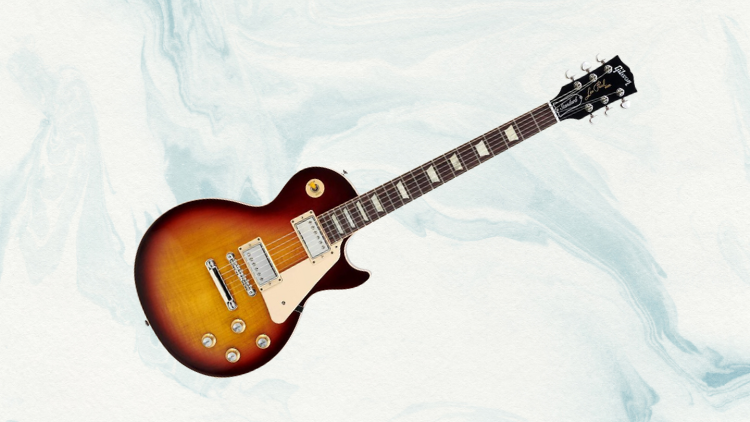
Few instruments have achieved the legendary status of the Gibson Les Paul Standard, often regarded as the benchmark for single-cut electric guitars. With its distinctive silhouette, balanced weight, and rich tonal character, the Les Paul has remained a symbol of musical excellence for more than 70 years. Its legacy spans genres—from rock and blues to jazz—cementing its place in the history of modern music.
The latest models continue to honor traditional craftsmanship while introducing modern refinements that enhance playability, reliability, and tonal versatility. For musicians and collectors alike, the Les Paul Standard represents both a technical achievement and a cultural icon. Whether exploring its heritage or considering it as your next instrument, understanding what defines this classic guitar helps explain why it continues to inspire players around the world.
The Legacy of the Gibson Les Paul Standard
From Prototype to Icon
The Gibson Les Paul Standard stands as the company’s flagship model, widely regarded as “the gold standard” of single-cut electric guitars. This reputation wasn’t built overnight but evolved from Les Paul’s original “Log” prototype to become the benchmark against which other electric guitars are measured. The Standard designation carries both historical significance and quality assurance that has shaped rock, blues, and jazz tones for generations.
Setting the Standard
What makes the Les Paul Standard special goes beyond mere specifications—it represents tradition, craftsmanship, and sonic possibilities that have defined countless recordings and performances. Its distinctive silhouette has become immediately recognizable to musicians and fans alike, cementing its place in guitar history as more than an instrument, but a cultural icon.
Famous Devotees
Across decades, legendary musicians have chosen the Les Paul Standard to craft their signature sounds. From the bluesy expressions of early adopters to the hard rock tones of the 70s and beyond, the Les Paul’s voice has proven remarkably versatile while maintaining its essential character—a testament to its enduring design.
The 1968-1969 Revival
The Les Paul experienced a remarkable resurgence in the late 1960s when influential guitarists rediscovered vintage models, prompting Gibson to reintroduce the design. This revival period firmly established the Les Paul Standard’s iconic status, creating demand that continues unabated today.
Modern Heritage
Contemporary Les Paul Standards skillfully balance vintage appeal with modern innovations. Recent models maintain the classic aesthetic while incorporating modern playability enhancements and expanded tonal options, allowing today’s players to access both traditional and contemporary sounds from a single instrument.
Build Quality and Construction
Tonewoods and Their Impact
The Les Paul Standard features a mahogany body with a carved maple top—a combination that delivers the instrument’s signature tonal characteristics. The dense mahogany provides warmth and sustain while the maple cap adds clarity and definition, creating a balanced sonic foundation that works across musical genres.
Weight Relief Evolution
Modern Les Paul Standards incorporate Ultra-Modern Weight Relief chambering—featuring 12 strategically placed chambers within the mahogany body. This system reduces overall weight while maintaining the instrument’s essential tonal properties, addressing one of the historical criticisms of Les Pauls being excessively heavy.
Neck Construction
The set-neck mahogany construction represents a fundamental element of the Les Paul design. This glued-in neck joint maximizes the transfer of string vibration between neck and body, contributing significantly to the instrument’s renowned sustain characteristics and overall resonance.
Scale Length Considerations
The 24.75″ scale length (approximately 62.865 cm) gives the Les Paul Standard its distinctive feel and response. This slightly shorter scale compared to some competitors creates lower string tension, facilitating bending techniques and contributing to the guitar’s warmer tonal characteristics.
Fingerboard and Appointments
Typically equipped with a rosewood fingerboard featuring elegant binding and traditional trapezoid inlays, the Les Paul Standard maintains its premium aesthetic appeal. These details not only enhance playability but also honor the visual heritage that has defined the instrument for decades.
Hardware Configuration
The Tune-O-Matic bridge paired with a Stopbar tailpiece provides reliable intonation, solid string anchoring, and contributes to the instrument’s sustain characteristics. This proven hardware system has remained largely unchanged for good reason—it works exceptionally well for the Les Paul’s intended purpose.
Finish Options
The Standard features nitrocellulose lacquer finishes that allow the wood to breathe naturally while developing attractive aging characteristics over time. Color options like Heritage Cherry Sunburst, Blood Orange Burst, Cobalt Burst, and Mojave Burst showcase the flame maple top while connecting visually to the instrument’s rich heritage.
Tone and Electronics
Humbucker Foundation
The dual humbucker configuration forms the tonal heart of the Les Paul Standard. These pickups deliver the thick, rich sound associated with the instrument, providing sufficient output for driven tones while maintaining clarity and articulation when played clean.
Coil-Splitting Versatility
Recent Standard models (2018 onward) feature push/pull coil-splitting functionality, allowing players to access single-coil tones from the humbucker pickups. This significantly expands the guitar’s sonic palette, enabling sounds from thick humbucker warmth to chimier single-coil clarity from one instrument.
Phase Options
Phase switching capabilities add another dimension to the Standard’s tonal versatility. When activated, this feature creates unique out-of-phase sounds characterized by their distinctive “quacky” midrange notch—useful for funk, country, and experimental textures that stand out in a mix.
Coil Selection Technology
The ability to select inner or outer coils of the humbuckers represents another innovation in recent Standards. This feature provides subtle tonal variations beyond traditional humbucker and single-coil sounds, offering players access to specific frequency responses for particular musical applications.
Is the Les Paul Standard Worth the Investment?
The Gibson Les Paul Standard stands as more than just a guitar—it’s a living embodiment of musical history and craftsmanship that continues to evolve while honoring its storied roots. For discerning players seeking the unmistakable Les Paul tone with modern enhancements, the Standard delivers exceptional build quality, tonal range, and versatility. Its premium price reflects not only the superior materials and precision engineering but also the decades of innovation and artistry behind every instrument.
While more affordable alternatives exist, few can replicate the distinct tonal richness, ergonomic refinements, and cultural legacy that define the Les Paul Standard. Modern updates such as weight relief construction and advanced electronics make today’s models more accessible and comfortable without compromising the classic Les Paul sound or feel.
Ultimately, choosing the Les Paul Standard comes down to personal connection, playing style, and long-term vision. For many guitarists, it represents not just a musical tool but a lifelong investment in an instrument that continues to inspire creativity and define generations of sound.
Leave a Reply