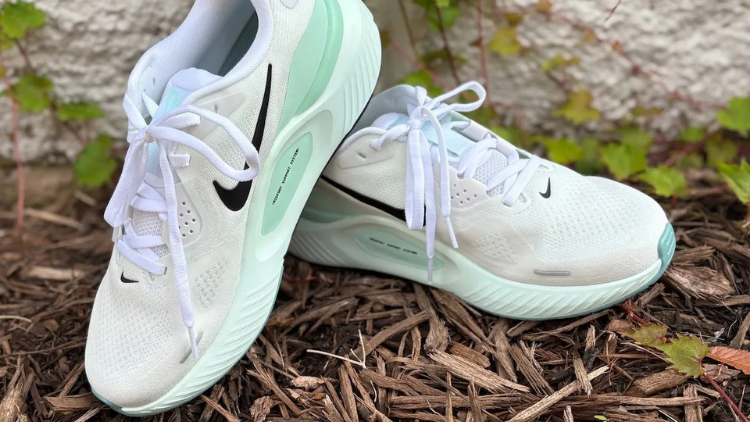
When Nike updates a key model in its stability lineup, it’s always noteworthy—and the Structure 26 marks one of the brand’s most significant redesigns in years. Positioned by Zappos as a top choice for overpronators and runners seeking dependable support in 2025, this iteration introduces major improvements in both comfort and performance.
After more than 50 miles of testing, it’s clear that the full-length ReactX foam has redefined the Structure’s ride. What was once known primarily as a firm, utilitarian stability shoe now feels noticeably more responsive and adaptable. While it remains true to its supportive roots, the Structure 26 adds the plush cushioning and smoother transition that many runners have long wanted—making it one of the most versatile stability options in Nike’s current lineup.
Technical Specifications and Design
Nike’s Structure 26 represents a significant evolution in the stability trainer category, featuring a complete redesign from the ground up. The most notable upgrade is the full-length ReactX foam midsole, which replaces the previous generation’s Cushlon setup. This material change transforms both the feel and performance of the shoe while maintaining its supportive character.
The stack measurements come in at approximately 38mm in the heel tapering to 28mm in the forefoot, creating a traditional 10mm drop that caters to heel strikers. At 11.3 oz (320g) for a men’s US size 10, the Structure 26 isn’t the lightest daily trainer on the market, but the weight serves a purpose in its stability features.
Nike has moved away from traditional medial posting, instead implementing both medial and lateral support structures that work together as a foot-guidance system. This approach creates a more balanced stability experience that corrects overpronation without feeling intrusive during your stride.
The upper construction features engineered mesh with strategic overlays positioned to reinforce high-stress areas while maintaining breathability. Nike’s attention to durability continues in the outsole design, with high-abrasion rubber in the heel where most runners experience initial impact and blown rubber in the forefoot for smoother toe-offs.
For runners with wider feet, the Structure 26 comes in multiple width options in certain regions—a welcome accommodation that acknowledges the diversity of foot shapes among stability-seeking runners.
Ride Quality and Performance
The Structure 26 delivers noticeably smoother transitions compared to its predecessors while maintaining the stability that defines the series. The ReactX foam provides a more cohesive ride throughout your gait cycle, though the overall experience remains on the firmer side when compared to neutral daily trainers. That said, runners familiar with traditional stability shoes will appreciate that the Structure 26 feels significantly less rigid than older stability models.
The foot-guidance system works efficiently yet subtly. Rather than forcefully redirecting your foot motion, it gently guides your stride back to alignment when overpronation occurs. This balanced approach prevents the intrusive feeling that plagued many stability shoes of previous generations.
Heel strikers gain the most benefit from the Structure 26, as the substantial rear cushioning absorbs impact forces effectively while the stability features engage at precisely the right moment. The shoe performs most confidently during easy to moderate paces, making it ideal for daily training runs rather than speed work.
The forefoot section measures slightly below competitors in cushioning metrics, which becomes noticeable on longer runs or for forefoot-dominant runners. First-time wearers should expect a break-in period of approximately 15-20 miles before the shoe reaches its optimal comfort and performance level, as the ReactX foam needs time to adapt to your specific gait pattern.
Fit and Comfort Analysis
The Structure 26 runs true-to-size lengthwise, though the toe box dimensions fall on the narrower side of the spectrum. Runners accustomed to wider toe boxes might feel some constraint in this area. The heel counter deserves special mention for its excellent lockdown capabilities—even on varied terrain and inclines, heel slippage remains virtually nonexistent.
The midfoot section provides a secure wrap that holds the foot firmly in place without compromising circulation. Nike has struck a good balance here between stability requirements and comfort considerations, though some users report the midfoot feels initially snug before conforming to their foot shape.
Both the tongue and collar feature generous padding that contributes to a plush step-in experience. This premium feel extends throughout the upper, which maintains good breathability during runs in moderate temperatures. However, in particularly hot conditions, the structural overlays might reduce ventilation compared to more minimalist designs.
For runners needing additional width, the available wide-foot options provide necessary accommodation without sacrificing the stability characteristics of the shoe. This adaptability makes the Structure 26 accessible to a broader range of foot shapes than many competing stability models.
Who Should Buy the Nike Structure 26
The Structure 26 presents an ideal solution for runners with mild to moderate overpronation who need daily training shoes with reliable support. The modernized stability system works effectively without the clunkiness associated with maximum support shoes, making this a perfect transitional option for runners moving away from traditional stability designs.
Heel strikers will particularly benefit from the Structure 26’s cushioning profile and support mechanisms, which work in concert to protect against impact forces while maintaining proper foot alignment. The shoe also serves walkers and all-day wearers extremely well, with comfort features that prevent foot fatigue during extended periods of use.
Budget-conscious shoppers seeking premium stability features will appreciate the Structure 26’s value proposition compared to higher-end stability options. While not inexpensive, it delivers professional-grade performance at a more accessible price point than many specialized stability shoes.
Zappos customers have an additional advantage when considering the Structure 26—the retailer’s excellent return policy allows for proper fit testing without financial risk, ensuring you can find the right size and width for your specific needs.
Limitations and Considerations
At 11.3 oz, the Structure 26 carries more weight than many contemporary daily trainers. This additional mass becomes noticeable during faster efforts, making the shoe less suitable for speed work or race day performance. Runners seeking a stability option for tempo runs may need to look elsewhere.
Forefoot strikers might find the cushioning inadequate during longer distances, as the shoe’s design prioritizes heel support and stability over forefoot cushioning. After approximately 100 miles, the forefoot outsole rubber shows predictable wear patterns, indicating less durability in this high-stress area compared to the heel section.
The somewhat constraining toe box may present issues for runners accustomed to wider-fitting shoes or those who prefer toe splay during their gait cycle. Additionally, runners seeking zero-drop or minimal-drop platforms will find the traditional 10mm drop incompatible with their preferences.
While competitively priced within its category, the Structure 26 does command a higher price point than some competing stability models. Runners on strict budgets might need to weigh the advanced features against their financial constraints when making a purchasing decision.
The Verdict on the Nike Structure 26
The Nike Structure 26 marks a thoughtful evolution in the stability running category. While staying true to its heritage as a supportive daily trainer, Nike has modernized the experience with ReactX foam and a more adaptive, less intrusive stability system. Priced at $140 on Zappos, it delivers strong value compared to premium stability models that often exceed $160.
Although it’s not the lightest or most responsive option available, the Structure 26 shines as a dependable workhorse for runners who log consistent mileage and appreciate a supportive, balanced ride. Its durability, cushioning, and refined stability features make it well-suited for those who prioritize comfort and longevity over race-day speed. With this update, Nike has reestablished the Structure line as a competitive and relevant choice in today’s stability market.
Leave a Reply