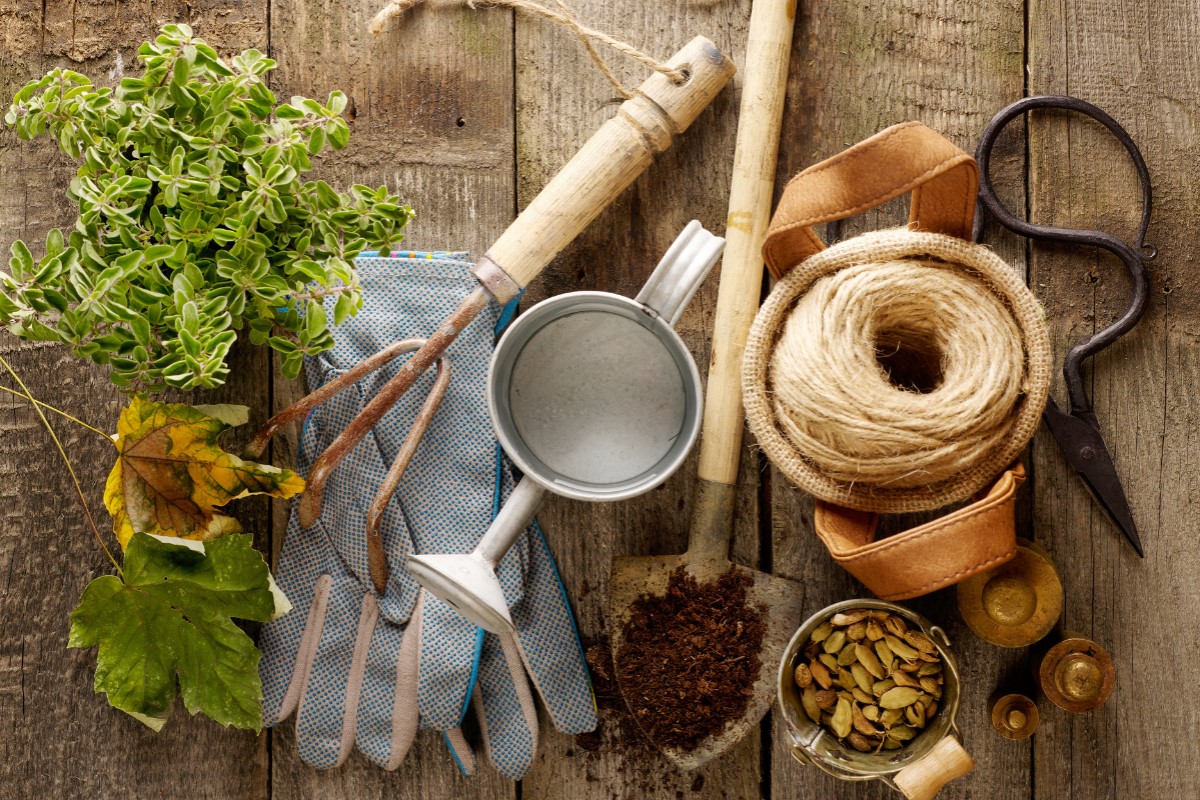
Did you know that 77% of American households participated in gardening activities in 2022? If you’re ready to join the green-thumbed masses, you’re in for a treat! But before you dig in (pun intended!), let’s talk about tools.
As a beginner gardener, having the right equipment can make all the difference between a flourishing garden and a frustrating experience. In this guide, we’ll explore the essential gardening tools that’ll have you gardening like a pro in no time. Get ready to get your hands dirty – in the best way possible!
Protective Gear: Your First Line of Defense
Let’s talk about the unsung heroes of gardening – gloves! You might think, “Oh, I can just use my bare hands,” but trust me, a good pair of gloves can make all the difference. They’re not just about keeping your hands clean; they protect you from thorns, blisters, and even harmful bacteria in the soil.
Now, you might be wondering what type of gloves you need. Well, it depends on what you’re doing in the garden. For delicate tasks like transplanting seedlings, you’ll want something thin and flexible. But if you’re dealing with thorny plants or doing heavy-duty work, you’ll need something more robust.
When choosing gloves, consider the material, fit, and durability. Here’s a quick breakdown:
Types of Gardening Gloves
- Cotton: Light and breathable, great for general tasks
- Leather: Durable and protective, ideal for thorny plants
- Nitrile: Water-resistant and flexible, perfect for wet conditions
- Rubber: Waterproof and chemical-resistant, good for using fertilizers
Remember, the best gloves are the ones you’ll actually wear, so find a pair that feels comfortable and suits your gardening style.
Digging Essentials: Tools to Break New Ground
Alright, let’s dig into the tools you’ll need to, well, dig! First up, we have trowels. These are your go-to for precision planting. Whether you’re transplanting seedlings or planting bulbs, a good trowel is indispensable. Look for one with a comfortable grip and a sturdy blade.
When you need to move some serious earth, that’s where shovels come in. A round-point shovel is great for digging holes and edging, while a square-point shovel is better for moving loose materials like mulch or compost.
Don’t forget about garden forks! These are fantastic for aerating soil and turning compost. They can also help you lift root vegetables without damaging them. Pretty handy, right?
Pruning and Trimming: Keeping Your Garden in Shape
Now, let’s talk about keeping your garden looking sharp – literally! Shears and pruners are essential for maintaining plant health and appearance. They allow you to make precise cuts, remove dead or diseased branches, and shape your plants.
There are different types of pruners for various plant sizes. For small stems and delicate work, bypass pruners are your best bet. For thicker branches, you might need loppers or even a pruning saw.
Here’s a pro tip: keep your pruning tools sharp! It makes your job easier and is better for the plants. A clean cut heals faster and is less likely to invite disease.
Maintaining Your Pruning Tools
- Clean after each use
- Disinfect regularly, especially after pruning diseased plants
- Sharpen blades at least once a season
- Oil moving parts to prevent rust
Weed Warriors: Battling the Garden Invaders
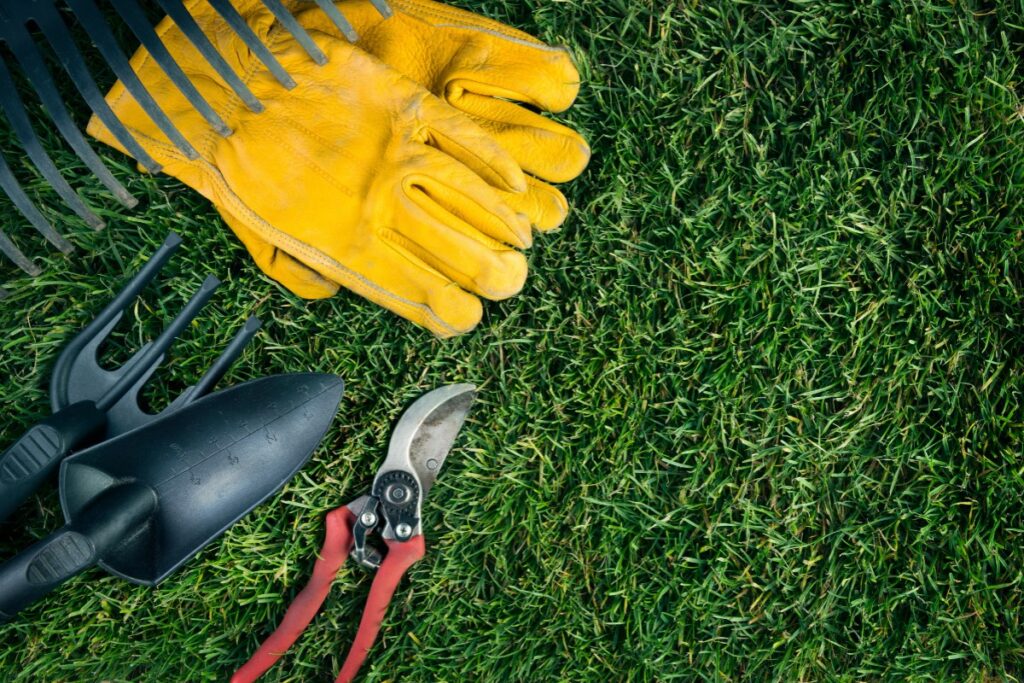
Ah, weeds – the bane of every gardener’s existence. But fear not! We’ve got the tools to help you win this battle. For targeted weed removal, hand weeders are your best friend. They’re great for getting those pesky weeds out by the roots.
When you’re dealing with weeds in larger areas, a hoe can be a real time-saver. There are different types of hoes for various purposes, from the classic draw hoe to the more specialized stirrup hoe.
Remember, tools are just part of the solution. Combine them with organic weed control methods like mulching or companion planting for the best results.
Transportation and Storage: Moving and Organizing Your Garden
Let’s face it, gardening involves moving a lot of stuff around. That’s where wheelbarrows come in handy. They’re great for transporting heavy loads of soil, mulch, or even plants. If you have a smaller space or don’t need to move as much, a garden cart might be a more versatile alternative.
Now, once you’ve got all these amazing tools, you need somewhere to put them. Good storage solutions not only keep your tools organized but also help them last longer. Wall-mounted racks, tool sheds, or even repurposed household items can make great storage options.
Watering Wisdom: Keeping Your Plants Hydrated
Water is the lifeblood of your garden, so let’s talk about how to deliver it effectively. For precise plant hydration, especially for container gardens or small beds, watering cans are perfect. Look for ones with removable roses (that’s the sprinkler head) for versatility.
For larger gardens, hoses and nozzles are more efficient. There’s a wide range of nozzles available, from gentle misting for delicate plants to high-pressure sprays for cleaning.
Remember, it’s not just about having the right tools, but also using them wisely. Water deeply but less frequently to encourage deep root growth, and try to water early in the morning to reduce evaporation.
Multi-Purpose Marvels: Tools That Do It All
Who doesn’t love a tool that can do it all? Enter the hori hori knife, often called the Swiss Army knife of gardening. This Japanese tool can dig, cut, measure, and even saw through small roots. It’s a true multi-tasker!
For those with limited storage space, garden multi-tools can be a great solution. These compact tools often combine several functions in one, like a trowel with serrated edges for cutting.
Using multi-purpose tools can really maximize your efficiency in the garden. They’re great for quick jobs or when you don’t want to lug around a whole toolbox. Just remember, while they’re versatile, they might not always replace a dedicated tool for specific jobs.
Leave a Reply