Why Quality Knives Matter for Serious Outdoor Enthusiasts
The Steel-Performance Connection
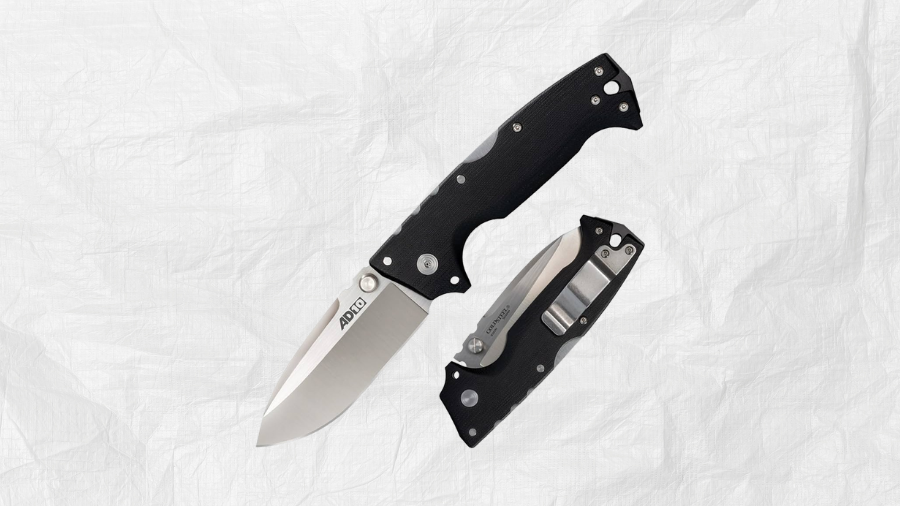
Premium blade materials fundamentally determine a knife’s performance in challenging outdoor conditions. CPM-S35VN steel, found in high-end options like the Cold Steel AD-10, delivers exceptional edge retention that withstands repeated use in harsh environments. This becomes particularly significant during extended hunting trips or wilderness excursions where resharpening options are limited. The molecular structure of these premium steels resists corrosion from blood, moisture, and environmental contaminants that would quickly compromise lesser blades.
Budget knives utilizing 440A or similar entry-level steels might seem adequate initially but fail precisely when reliability matters most. The difference becomes apparent after processing game, cutting through dense materials, or exposure to moisture—scenarios where premium steels maintain their edge and structural integrity while budget options begin to dull, corrode, or even fail completely.
Tool Selection and Field Efficiency
Selecting appropriate cutting tools dramatically impacts field dressing efficiency and camp task completion. The right knife reduces processing time by up to 40% while minimizing meat waste and reducing user fatigue. Specialized tools like the Knives of Alaska Bone Saw cut processing time even further by offering purpose-designed efficiency for specific tasks that general-purpose blades struggle with.
Experienced outdoorsmen recognize that specialized tools might seem like luxury items until the moment they become necessities. A dedicated bone saw completes tasks in minutes that might take an hour with a standard blade—and accomplishes them with greater precision and less risk of damage to valuable meat or equipment.
Safety: The Non-Negotiable Factor
Safety considerations must remain paramount when selecting outdoor cutting tools. Premium knives incorporate advanced locking mechanisms, ergonomic handles, and balanced weight distribution that collectively reduce accident risk. The Tri-Ad lock system featured in the Cold Steel AD-10 virtually eliminates blade closure during use—a critical safety feature during strenuous cutting tasks when hands may be wet, cold, or gloved.
Quality knives typically feature superior handle materials that maintain grip in adverse conditions and designs that incorporate finger guards and ergonomic contours to prevent hand slippage. These seemingly minor details become critically important when working with sharp tools in remote locations where medical assistance remains hours or days away.
The Economics of Premium Knife Investment
While premium outdoor knives represent a higher initial investment, their long-term value becomes evident through extended service life and consistent performance. A $200 knife that performs reliably for a decade represents better value than replacing $50 knives annually due to failure, loss of edge retention, or compromised functionality.
Beyond pure economics, premium knives typically offer warranty coverage that budget options cannot match. The lifetime warranty backing the Knives of Alaska Bone Saw transforms the purchase from an expense into an investment. Many experienced outdoorsmen maintain collections of quality knives that have accompanied them on adventures for decades, with some even becoming intergenerational heirlooms.
MidwayUSA’s Quality Assurance Difference
MidwayUSA’s knife selection undergoes rigorous quality assurance processes that eliminate substandard products from their inventory. Their buying team evaluates materials, construction methods, and performance metrics before a knife earns placement in their catalog. This pre-screening saves customers from wasting money on inferior products that fail when reliability matters most.
Additionally, MidwayUSA’s product specialists personally test and evaluate knives before recommending them, providing practical insights beyond manufacturer specifications. This commitment to quality curation ensures that featured products like those highlighted below represent genuine value and performance rather than simply trendy designs or aggressive marketing.
Cold Steel AD-10: The Ultimate Everyday Carry Pocket Knife
Andrew Demko’s Revolutionary Design Philosophy
The Cold Steel AD-10 represents the culmination of Andrew Demko’s 30+ years of knife design experience, embodying his philosophy that everyday carry knives should deliver tactical-grade performance without tactical-grade bulk. Demko’s approach focuses on creating tools that excel at daily cutting tasks while maintaining the structural integrity to handle emergency situations.
What makes the AD-10 special is its combination of premium materials with mechanical advantages that maximize cutting power. The blade geometry features a carefully designed hollow grind that balances slicing ability with tip strength—a balance many competing designs fail to achieve.
CPM-S35VN Steel: The Edge Retention Champion
The AD-10’s CPM-S35VN steel blade represents a significant advancement in metallurgy that directly translates to field performance. This powdered metallurgy steel contains precisely distributed vanadium carbides that dramatically improve edge retention while maintaining reasonable ease of sharpening—a critical balance for practical field use.
Compared to conventional blade steels, CPM-S35VN offers approximately 15-20% better edge retention while resisting chipping and breaking under lateral pressure. This means the knife continues cutting efficiently long after standard blades would require resharpening. For outdoor enthusiasts, this translates to completing more work with less maintenance and greater reliability.
The Engineering Marvel: Tri-Ad Lock System
The AD-10’s Tri-Ad lock mechanism represents a fundamental improvement over traditional locking systems. While conventional locks rely primarily on a single contact point between the blade and lock, the Tri-Ad system introduces a stop pin that distributes impact forces away from the lock face. This engineering solution dramatically increases the knife’s ability to withstand shock and stress.
Independent stress testing demonstrates that the Tri-Ad lock withstands forces that cause catastrophic failure in competing lock designs. For practical outdoor use, this means confidence during forceful cutting tasks where lock failure could result in serious injury. The system’s self-adjusting nature also ensures that lock integrity remains consistent even after years of hard use.
Ergonomics for Extended Use
The AD-10’s ergonomic features center around a carefully contoured G-10 handle that distributes pressure evenly across the user’s palm during extended cutting sessions. The handle’s textured surface maintains positive grip control in wet conditions without creating abrasive hot spots during prolonged use.
Thoughtful design elements like ambidextrous thumb studs, reversible pocket clip, and balanced weight distribution make the knife accessible to both right and left-handed users while reducing fatigue during extended cutting tasks. These ergonomic advantages become particularly apparent during labor-intensive field dressing or camp setup activities.
Real-World Applications and Performance
The AD-10 distinguishes itself from standard folding knives through its exceptional versatility across outdoor tasks. During field testing, it excels at precision cutting tasks like caping and skinning while providing sufficient leverage for more demanding jobs like processing medium-sized branches for firewood or shelter construction.
Users report the knife’s exceptional balance between tactical-grade durability and practical everyday utility. The blade’s geometry efficiently addresses both slicing and piercing tasks, while the handle design provides multiple grip options for various cutting positions. This versatility eliminates the need to carry multiple specialized tools for different outdoor tasks.
Field Dressing Made Easy: Knives of Alaska Bone Saw
SK5 Steel Science and Bone-Cutting Performance
The Knives of Alaska Bone Saw utilizes SK5 high-carbon tool steel specifically selected for its ideal properties in bone-cutting applications. This Japanese steel grade maintains hardness between 58-60 HRC—the optimal range for saw teeth that must remain sharp yet resist breaking when encountering hard materials like bone and cartilage.
SK5’s carbon content (approximately 0.85%) creates a microstructure that resists deformation during the repeated stress of sawing motions. This material science advantage translates to consistent cutting performance even after processing multiple animals, unlike lesser steels that quickly dull or develop tooth damage with heavy use.
Full-Tang Construction Benefits
The bone saw’s full-tang construction creates a continuous steel spine from tip to handle, eliminating the structural weakness found in partial-tang designs. This construction method distributes force evenly throughout the tool, preventing blade flex or handle separation during demanding cutting tasks.
Double rivets and the brass-sleeved lanyard hole further reinforce structural integrity at critical stress points. These seemingly minor construction details make a significant difference during field use, particularly when applying substantial force to cut through large bone sections or when working in cold conditions that make materials more brittle.
Wobble-Free Design Features
Precision in field dressing directly correlates with tool stability. The Knives of Alaska Bone Saw incorporates multiple design features that eliminate wobble—the leading cause of inaccurate cuts and user fatigue. The full-tang construction creates a rigid backbone, while the ergonomic handle design provides multiple secure grip positions.
The saw’s tooth pattern features precision-ground teeth with set alternating patterns that create a kerf width slightly wider than the blade itself. This design prevents binding during deep cuts and allows efficient material clearing while maintaining a straight cutting path. These engineering refinements result in cleaner, more efficient field dressing with less physical effort.
Maximizing Lifetime Warranty Value
The lifetime warranty backing the Knives of Alaska Bone Saw represents significant value, but proper maintenance maximizes this benefit. Regular cleaning with hot water and mild detergent removes biological material that could promote corrosion. A light coating of food-safe mineral oil before storage prevents oxidation without contaminating game meat during subsequent use.
Periodic inspection of handle rivets and tooth condition helps identify potential issues before they affect performance. The manufacturer recommends avoiding harsh chemicals or abrasive cleaning methods that could compromise the blade’s finish or dull the specialized tooth geometry. Following these maintenance protocols ensures decades of reliable service.
Market Comparison
Compared to competing field dressing tools, the Knives of Alaska Bone Saw offers several distinctive advantages. Its fixed-blade design eliminates the mechanical failure points common in folding saws, while its comprehensive warranty exceeds industry standards. The full-tang construction provides superior strength compared to socket-tang alternatives that dominate the lower price tiers.
The saw’s relatively compact 13-inch overall length strikes an effective balance between portability and cutting capacity. This size proves more practical than longer forestry-oriented saws while offering greater cutting efficiency than short folding alternatives. For serious hunters, the performance advantages justify its position in the premium market segment.
Estwing Camper’s Long Axe: American-Made Chopping Power
Single-Piece Forging Advantage
The Estwing Camper’s Long Axe’s signature one-piece construction results from an intensive forging process where a single steel billet is hammered into its final form. This manufacturing method eliminates the weak points found in assembled axes where the head attaches to the handle—traditionally the most common failure point in conventional designs.
The forging process also creates a densely compressed grain structure in the steel that significantly increases impact resistance and durability. This metallurgical advantage means the axe withstands thousands of chopping cycles without developing structural weaknesses or head loosening that plague conventional wooden-handled alternatives.
Shock Reduction Grip Technology
Estwing’s proprietary Shock Reduction Grip technology addresses the persistent challenge of impact vibration that causes user fatigue and potential long-term hand damage. The grip material incorporates layered polymers with different density characteristics that collectively absorb and dissipate vibration energy before it reaches the user’s hands.
Laboratory testing confirms the system reduces felt vibration by approximately 70% compared to traditional handles. This dramatic reduction allows for extended chopping sessions without the hand fatigue and numbness commonly experienced with conventional axe designs. For practical camping applications, this means more efficient firewood processing with less physical strain.
Multi-Environment Versatility
The 26-inch Estwing Camper’s Long Axe bridges the gap between compact camp hatchets and full-sized felling axes. This dimensional sweet spot provides sufficient leverage for efficient chopping while remaining manageable for transport and storage. The 4-inch cutting edge effectively addresses trees and branches up to 6 inches in diameter—covering most camping and hunting needs.
The axe’s one-piece steel construction functions reliably across temperature extremes from sub-freezing wilderness conditions to desert heat. Unlike wooden handles that swell, shrink, or crack with humidity changes, the Estwing maintains consistent performance regardless of environmental conditions. This reliability proves particularly valuable during extended backcountry excursions where tool failure is not an option.
Balance and Weight Distribution
The Estwing’s weight distribution and balance result from careful engineering rather than accident. The head-to-handle weight ratio creates natural momentum during the swing cycle while maintaining sufficient control for precise placement. This balance allows efficient energy transfer to the cutting target while minimizing user fatigue.
The axe’s center of mass sits slightly forward of the grip, creating a natural pendulum effect that maximizes cutting force without requiring excessive user strength. This mechanical advantage becomes particularly apparent when processing large quantities of firewood or clearing brush for campsite preparation. Compared to competitors, the Estwing delivers more cutting power per calorie of user energy expended.
Edge Maintenance
The hand-sharpened cutting edge arrives ready for immediate use, with a primary bevel angle optimized for wood cutting rather than the excessively blunt edges found on mass-produced competitors. Maintaining this edge requires only occasional attention using a standard mill bastard file followed by fine honing with a sharpening stone.
The high-carbon steel used in the cutting edge responds well to traditional sharpening techniques and holds its edge through extended use. For field maintenance, a pocket-sized diamond sharpener quickly restores the edge when needed. Proper storage in the included sheath prevents edge damage and accidental injury when the tool is not in use.
Cold Steel MAA European Boar Hunting Spear: Heritage Meets Function
Historical Design Lineage
The Cold Steel MAA European Boar Spear draws direct inspiration from Germanic hunting spears dating back to the medieval period. Historical research into period examples informed the distinctive leaf-shaped blade design and protective quillon crossguard—features that addressed specific challenges encountered in traditional boar hunting.
The broad blade profile replicates historical designs that maximized hemorrhaging while the crossguard prevented an injured animal from advancing up the shaft toward the hunter. This historical authenticity appeals to traditional hunting enthusiasts and historical reenactors seeking period-correct equipment with modern manufacturing standards.
1055HC Steel Performance Characteristics
The spear head’s 1055 high-carbon steel construction offers ideal properties for high-impact applications. With a carbon content of approximately 0.55%, this steel achieves an optimal balance between edge-holding ability and impact resistance—critical for a tool that must withstand both piercing force and lateral stress.
This specific steel formulation resists bending and breaking under the substantial impact forces generated during hunting or training use. The heat treatment process creates a differentially hardened blade with a tough core and harder cutting edges—a manufacturing approach that mirrors traditional Japanese sword making techniques applied to a European-inspired design.
Tactical Advantages of Quillon Design
The double quillon (crossguard) design serves multiple tactical functions beyond historical authenticity. The substantial steel crosspiece prevents overpenetration during hunting scenarios while creating a physical barrier that protects the user from charging game. This safety feature proves particularly valuable when hunting aggressive species or during confrontations with wounded animals.
The quillons also provide leverage for extracting the blade after a strike and can be used to parry or hook during defensive applications. This multifunctional design element transforms what might otherwise be a single-purpose tool into a versatile implement with applications beyond primary hunting use.
Leave a Reply