When six artisan leatherworkers gathered in a modest Manhattan loft in 1941, little did they know they were laying the foundation for what would become an American luxury empire. I recently visited Coach’s flagship store on Fifth Avenue and was struck by a vintage photograph hanging near the entrance—craftsmen hunched over workbenches, meticulously hand-stitching leather wallets. “This leather has been through more than you have,” the sales associate told me, running her fingers across a glove-tanned handbag that seemed to tell stories through its natural grain. Coach New York’s transformation from humble workshop to global fashion phenomenon represents one of the most fascinating brand evolutions in American luxury. With its signature leather craftsmanship surviving eight decades of changing tastes, Coach has maintained its soul while reinventing itself for new generations.
The Birth of an American Leather Legacy (1941-1961)
Humble Manhattan Beginnings
Coach’s remarkable journey began in 1941 when six skilled artisans established a leather workshop in a modest Manhattan loft on 34th Street. Operating as Gail Manufacturing Company, these craftsmen dedicated themselves to creating meticulously handcrafted wallets and billfolds using traditional leatherworking techniques passed down through generations.
The business transformed significantly when Miles and Lillian Cahn joined in 1946. This husband-and-wife team brought complementary expertise—Miles with his technical leather knowledge and Lillian with her business acumen. Their partnership would eventually reshape American luxury goods forever.
Innovative Leather Treatment
Miles Cahn’s ingenuity emerged in the early 1950s when he began experimenting with leather treatments. Drawing inspiration from baseball gloves—known for their flexibility and durability despite repeated use—he developed a revolutionary leather treatment process. This technique yielded exceptionally supple yet sturdy leather that could withstand daily use while developing a beautiful patina over time.
This early period established the fundamental principles that would guide the brand for decades: impeccable craftsmanship, quality materials, and functional design. While other manufacturers moved toward mass production, this workshop maintained its artisanal approach, with each piece receiving personal attention from skilled leatherworkers.
Transformation Under the Cahns (1961-1979)
Birth of Coach Leatherware
A pivotal moment arrived in 1961 when Miles and Lillian Cahn acquired the business entirely and officially renamed it Coach Leatherware Company. This marked the beginning of the brand’s deliberate transformation from a small workshop to an American design icon.
Their most consequential decision came in 1962 when they hired Bonnie Cashin as the company’s first lead designer. Cashin—already an established name in American fashion—brought revolutionary vision to Coach. Her designs introduced vibrant colors, practical silhouettes, and innovative hardware that departed dramatically from conventional leather goods aesthetics.
Signature Elements Emerge
Cashin created several design elements that remain synonymous with Coach today, most notably the brass turn-lock closure. This distinctive hardware provided both security and visual identity—becoming an instant Coach signature that consumers recognized immediately.
Simultaneously, Miles Cahn perfected the glove-tanned cowhide leather process that became the brand’s defining material. This specialized treatment created bags with a distinctive combination of suppleness and durability. Unlike competitors’ stiffer offerings, Coach leather moved naturally with the body while maintaining structural integrity through years of use.
The product line expanded beyond small leather goods to include women’s handbags featuring functional designs like bucket bags, shoulder bags, and totes. Cashin’s incorporation of colorful elements and practical features—like exterior pockets and adjustable straps—established Coach’s reputation for combining sophisticated design with everyday practicality.
Corporate Evolution and Market Expansion (1980s-2000s)
Retail Revolution
The late 1970s marked Coach’s transition from wholesale manufacturing to direct consumer relationships. The company launched a mail-order business and opened its first dedicated retail stores, including a flagship location on Madison Avenue. This strategic shift allowed Coach to control its brand presentation and build deeper connections with customers.
In 1985, Sara Lee Corporation acquired Coach, providing substantial capital that fueled significant retail expansion. This corporate backing enabled Coach to open numerous retail locations and, crucially, to establish outlet stores. These outlets democratized access to the brand, allowing a broader consumer base to experience Coach quality without premium boutique pricing.
International Growth and Independence
The brand achieved tremendous success in Japan and other Asian markets, where American luxury brands commanded particular prestige. This international expansion established Coach as a global player in the accessories market.
A watershed moment arrived in 2000 when Coach, Inc. spun off from Sara Lee as an independent public company. This autonomy allowed the brand to chart its own course in the evolving luxury landscape.
Design Direction Shift
Under Creative Director Reed Krakoff’s leadership through the 1990s and early 2000s, Coach’s aesthetic evolved toward more fashion-forward, trend-conscious designs. Krakoff introduced signature monogram patterns and prominent logo designs that resonated with consumers seeking visible brand identification. These elements became status symbols, particularly among younger consumers eager to display their first luxury purchases.
Stuart Vevers Era: Reinvention for Modern Luxury (2013-Present)
Creative Renaissance
Stuart Vevers’ appointment as Executive Creative Director in 2013 initiated a comprehensive brand revitalization. Vevers, previously at Loewe and Mulberry, brought a fresh perspective that honored Coach’s heritage while introducing contemporary relevance.
His strategic pivot positioned Coach within the “expressive luxury” category—balancing craftsmanship traditions with bold, contemporary design elements. This approach distinguished Coach from both ultra-premium luxury brands and mass-market imitators.
Category Expansion and Heritage Revival
Vevers expanded Coach beyond accessories into ready-to-wear collections and introduced runway shows that elevated the brand’s fashion credibility. Simultaneously, he mined Coach’s archives, reviving and reimagining classic designs like the Duffle and Saddle bags for new generations of consumers.
The brand’s cultural relevance strengthened through strategic collaborations with artists, celebrities, and cultural icons. Partnerships with Selena Gomez, Jennifer Lopez, and Michael B. Jordan connected Coach with diverse audiences across generations.
Sustainability and Corporate Structure
In 2023, Coach launched Coachtopia, a significant initiative focused on circular design and sustainability. This platform demonstrates the brand’s commitment to environmental responsibility while appealing to increasingly eco-conscious consumers.
Corporately, Coach operates as the flagship brand of Tapestry, Inc. (formerly Coach, Inc.), which also oversees Kate Spade and Stuart Weitzman. This structure allows for shared resources while maintaining distinct brand identities.
Digital marketing and social media engagement have become central to Coach’s strategy, particularly in connecting with Gen Z and millennial consumers who discover fashion primarily through digital channels.
Iconic Products and Design Language
Defining Silhouettes
Coach’s product evolution tells the story of American fashion itself. The Duffle Bag, introduced in 1973, became one of Coach’s first iconic handbag silhouettes. Its simple, functional design epitomized American sportswear philosophy—beautiful yet practical, luxurious yet approachable.
The Willis Bag, with its structured shape and signature turn-lock closure, perfectly captures Coach’s classic aesthetic. This design has maintained relevance across decades, periodically revived to the delight of both longtime customers and new brand enthusiasts.
More recently, the Tabby has emerged as a contemporary bestseller that skillfully modernizes vintage Coach elements. This bag demonstrates Vevers’ talent for honoring heritage while creating thoroughly modern accessories.
Signature Materials and Hardware
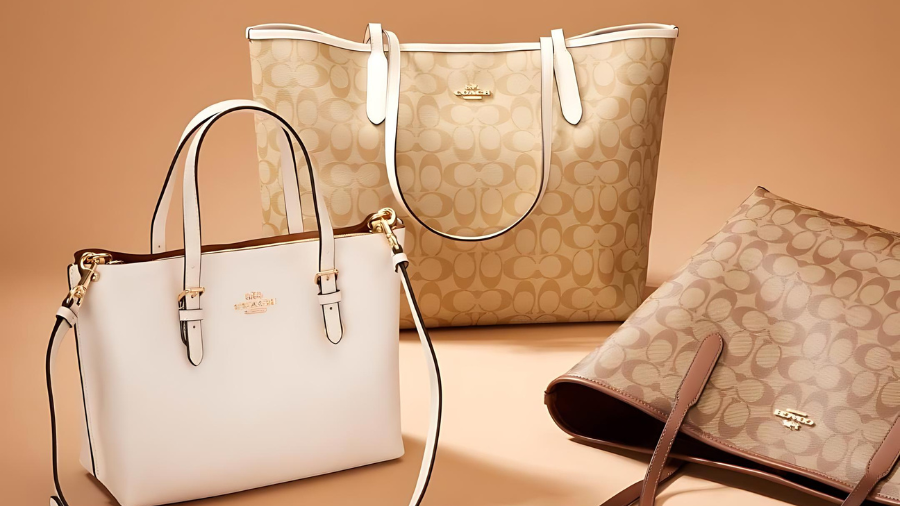
The Signature Canvas featuring the distinctive “C” monogram pattern, introduced in 2001, created an instantly recognizable visual identity for the brand. This pattern allowed Coach to offer products at various price points while maintaining design cohesiveness.
The Turn-Lock hardware, first introduced by Bonnie Cashin, remains Coach’s most recognizable design element—a small detail that communicates the brand’s identity without words. Similarly, the Kisslock Frame closure evokes vintage Coach aesthetics while providing practical functionality.
The Horse and Carriage Logo, dating back to the 1950s, serves as an enduring symbol of Coach’s heritage and craftsmanship. This emblem appears throughout collections, connecting contemporary products to the brand’s rich history.
Cultural Impact and Brand Positioning
Defining Accessible Luxury
Coach pioneered the “accessible luxury” category, effectively bridging the gap between mass-market products and high-end luxury goods. This positioning created a new market segment that allowed consumers to experience quality craftsmanship and sophisticated design without ultra-premium pricing.
The brand’s evolution from practical, understated leather goods to a fashion-forward lifestyle brand reflects broader changes in American consumer culture. Coach has maintained relevance by adapting to shifting tastes while preserving core quality standards.
American Design Legacy
Coach embodies a distinctly American design ethos: practical luxury with democratic appeal. Unlike European luxury houses built on exclusivity, Coach built its reputation on excellent quality available to a relatively broad audience.
The brand has significantly influenced consumer expectations regarding quality and price in the luxury accessories market. Coach demonstrated that luxury could be defined by craftsmanship and design rather than merely by price or exclusivity.
Vintage Resurgence and Cultural Recognition
A vibrant vintage Coach market has emerged, with decades-old bags commanding premium prices. This nostalgic appeal has inspired the brand to reissue classic designs, connecting new customers to Coach’s heritage.
Celebrity endorsements and red carpet appearances have cemented Coach’s cultural relevance beyond the fashion world. Additionally, museum exhibitions featuring Coach designs as examples of American fashion heritage confirm the brand’s artistic and cultural significance.
Perhaps most impressively, Coach has maintained relevance across multiple generations of consumers—grandmothers, mothers, and daughters often share appreciation for the brand, each connecting with designs that speak to their personal style while carrying forward an American leather legacy that continues to evolve.
The Future Path of an American Icon
Coach New York’s journey from leather workshop to global luxury powerhouse demonstrates the power of evolution while honoring heritage. By balancing its rich craftsmanship legacy with forward-thinking design, Coach has secured its place in both fashion history and contemporary culture. As luxury continues to redefine itself in the digital age, Coach’s ability to adapt while maintaining its core identity positions it for continued success. Whether through sustainability initiatives like Coachtopia or collaborations with emerging artists, the brand continues to write new chapters in its remarkable story. For those who appreciate the intersection of craftsmanship, heritage, and innovation, Coach remains not just a brand but a living piece of American design history—one that carries its 1941 workshop spirit into tomorrow’s fashion landscape.
Leave a Reply