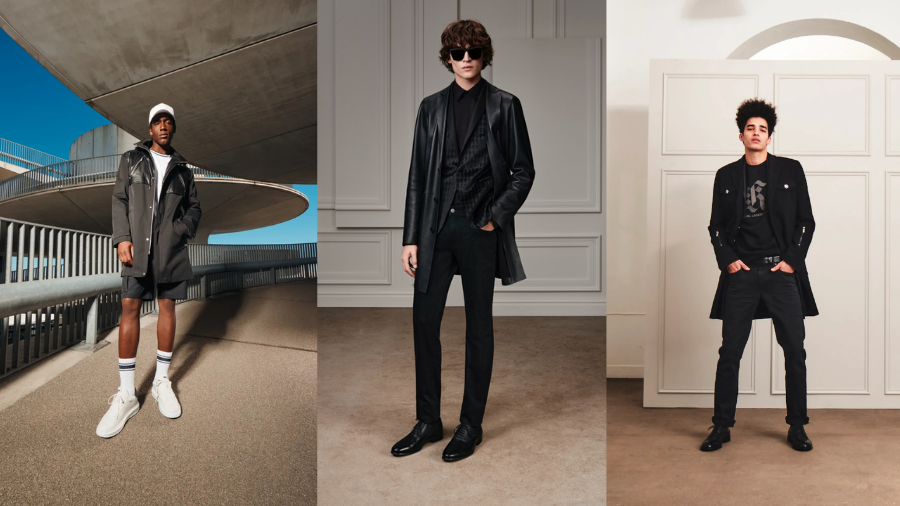
Karl Lagerfeld once remarked, “I am like a caricature of myself, and I like that.” This self-awareness defined a man who transformed not just fashion houses but the very concept of what a designer could be. Behind the signature high collar, dark glasses, and powdered ponytail existed a complex individual whose influence stretched far beyond the runway. With a work ethic that saw him managing up to 15 collections annually across Chanel, Fendi, and his eponymous label, Lagerfeld wasn’t merely prolific—he was revolutionary. His story transcends fashion, revealing a strategic mind that rebuilt heritage brands while cultivating a carefully constructed public image. I’ve spent years studying his techniques and philosophies, and what emerges is a portrait of contradiction: a traditionalist who constantly pushed boundaries, a private man who created an unmistakable public persona, and a creative force who approached design with methodical precision.
The Evolution of a Fashion Icon
From Hamburg to Haute Couture
Born in Hamburg, Karl Lagerfeld’s ascent through fashion’s elite circles began with apprenticeships that would shape his meticulous approach to design. His early positions at Balmain and Jean Patou established his technical foundation, while his tenure at Chloé in the 1970s allowed his romantic sensibilities to flourish. These formative experiences cultivated the versatility that would later become his hallmark.
The Chanel Resurrection
1983 marked a pivotal moment in fashion history when Lagerfeld assumed creative control of Chanel. The once-revolutionary house had become a relic, associated primarily with outdated tweed suits and elderly clientele. Fashion insiders predicted failure, yet Lagerfeld recognized untapped potential in Coco’s abandoned codes. Rather than dismantle her legacy, he reinterpreted it through a contemporary lens, infusing vitality into a dormant icon.
Fendi’s Silent Revolution
While Chanel dominated headlines, Lagerfeld simultaneously transformed Fendi over an unprecedented 54-year partnership. His collaboration with the five Fendi sisters revolutionized fur design, transforming heavy traditional pieces into light, versatile garments. The now-iconic “FF” logo—initially standing for “Fun Fur”—became one of fashion’s most recognizable symbols, establishing Lagerfeld’s gift for creating enduring brand identities.
The Physical Transformation
Perhaps most striking was Lagerfeld’s personal metamorphosis. The heavyset young designer who joined Chanel underwent a dramatic physical transformation in the early 2000s, shedding 92 pounds to fit into Hedi Slimane’s slim-cut Dior Homme suits. This silhouette—paired with his powdered ponytail, high collars, fingerless gloves, and dark sunglasses—created an instantly recognizable icon that transcended fashion circles to achieve global recognition.
Chanel’s Renaissance Architect
Modernizing a Legacy
Lagerfeld’s genius at Chanel manifested in his ability to honor Coco’s vision while propelling it forward. He maintained signature elements—tweed suits, quilted bags, camellia flowers—while introducing contemporary proportions that resonated with younger consumers. His adaptations featured padded shoulders reflecting 1980s power dressing, shorter hemlines appealing to a new generation, and prominent “CC” logo placement that satisfied the era’s hunger for conspicuous branding.
The Spectacle of Fashion
Under Lagerfeld’s direction, Chanel runway presentations evolved from industry events into cultural spectacles. The Grand Palais in Paris became his playground, transformed into elaborate settings: Arctic landscapes complete with imported icebergs, fully-functioning supermarkets stocked with Chanel-branded products, and rocket ships that actually launched during the finale. These theatrical experiences redefined fashion’s relationship with consumers, creating viral moments before social media existed.
Commercial Alchemy
Behind the creative flourishes lay remarkable business acumen. Lagerfeld expanded Chanel’s offerings across categories while maintaining an aura of exclusivity. He introduced watches, fine jewelry, and expanded beauty lines that became entry points to the brand. His strategy generated explosive growth, increasing Chanel’s value from approximately $200 million in 1983 to an estimated $13 billion by his death in 2019.
The Fendi Revolution
Reinventing Fur
Lagerfeld’s “fun fur” concept revolutionized a centuries-old industry. Traditional fur garments—heavy, formal, and worn exclusively by older wealthy women—were reimagined as lightweight, playful accessories for all occasions. He pioneered techniques for shearing, dyeing, and combining fur with unexpected materials, making pieces simultaneously more wearable and more innovative.
Tradition Meets Innovation
This balance of respect for craftsmanship with relentless innovation transformed Fendi from a specialized fur house into a comprehensive luxury brand. Lagerfeld introduced ready-to-wear collections that maintained Fendi’s artisanal DNA while expanding its cultural relevance. His approach preserved the house’s heritage while ensuring its future viability.
The Five Sisters
Lagerfeld’s relationship with the Fendi family—particularly the five sisters who inherited the business—represented fashion’s most successful creative partnership. The sisters provided unparalleled craft knowledge while Lagerfeld contributed boundary-pushing designs. This collaboration continued through subsequent generations, with Silvia Venturini Fendi becoming his key creative partner. Their relationship demonstrated Lagerfeld’s capacity for long-term creative collaboration—a rarity in an industry known for volatility.
The Lagerfeld Brand: Beyond Design
The Photographer’s Eye
Lagerfeld’s expansion into photography represented more than a hobby; it became a significant artistic pursuit. Self-taught in the medium, he shot major campaigns for Chanel, Fendi, and his eponymous label, controlling the visual narrative surrounding his designs. His photographic projects, particularly “The Little Black Jacket”—which captured diverse personalities wearing Chanel’s iconic piece—demonstrated his comprehensive vision beyond garment creation.
Multidisciplinary Mastery
This expansive creative approach extended to interiors, architecture, and product design. Lagerfeld designed luxury hotel suites, sculptural fountains, and crystal collections. His aesthetic sensibility—clean lines, monochromatic palettes, references to both historical and futuristic elements—remained consistent across mediums, creating a recognizable “Lagerfeld language.”
Literary Pursuits
His bookstore “7L” in Paris and publishing imprint with Steidl reflected his lifelong bibliophilia. These ventures allowed Lagerfeld to promote photographers, artists, and writers he admired, establishing himself as a cultural curator beyond fashion’s boundaries. His publishing projects often combined historical research with contemporary interpretation—mirroring his approach to fashion design.
The Disciplined Creative
Regimented Routine
Lagerfeld’s legendary productivity—managing up to 15 collections annually across multiple houses—stemmed from extraordinary discipline. His schedule included seven hours of nightly sleep in custom Jermyn Street nightshirts, precise meal times, and meticulously planned work sessions. This structured approach contrasted sharply with the romanticized chaos associated with creative genius, offering an alternative model of sustainable creativity.
Sobriety in Excess
While fashion history includes numerous designers destroyed by substance abuse, Lagerfeld maintained total abstention from alcohol and drugs. He observed the excesses around him with detached fascination, preferring Diet Coke and uncompromised clarity. This discipline extended to his dietary habits—particularly after his dramatic weight loss—with carefully controlled portions and avoidance of processed foods.
Legacy of an Enigma
Karl Lagerfeld’s true genius lay not just in his designs but in his ability to reinvent—both himself and storied fashion houses—while maintaining an unmistakable identity. His contradictions made him fascinating: a man who looked backward for inspiration while pushing relentlessly forward, who created an instantly recognizable persona while guarding his private self, who embraced both luxury and accessibility. The Lagerfeld legacy transcends fashion, embodying a philosophy of perpetual evolution and disciplined creativity. For those seeking to understand fashion’s transformation in the late 20th and early 21st centuries, all paths lead through the world Lagerfeld built—a world where tradition and innovation weren’t opposing forces but essential partners in creating something timeless.
Leave a Reply