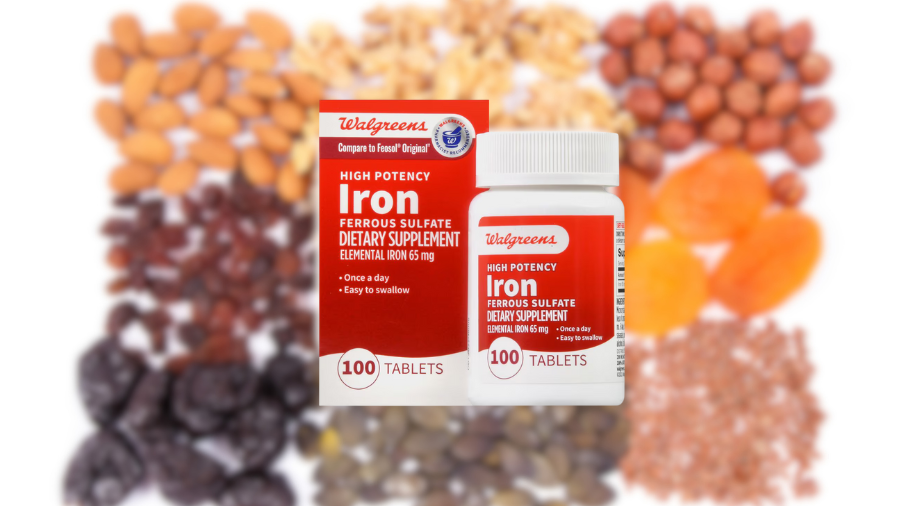
Iron deficiency affects millions of Americans, with nearly 10% of women experiencing depleted iron stores at some point in their lives. When my doctor recommended iron supplementation, I turned to Walgreens High Potency Iron Ferrous Sulfate Tablets. This pharmacy-trusted supplement delivers a substantial 65mg of elemental iron per tablet—a therapeutic dose designed to replenish iron levels efficiently. Whether you’re managing anemia or simply need to boost your iron intake, understanding this supplement’s benefits, potential drawbacks, and proper usage is essential for making an informed health decision.
What Makes Walgreens Iron Tablets Different?
Walgreens High Potency Iron Ferrous Sulfate Tablets stand out in the competitive supplement market with their pharmaceutical-grade formulation. Each tablet delivers 65mg of elemental iron (equivalent to 325mg ferrous sulfate), placing these tablets in the high-potency category for iron supplementation. This dosage aligns with therapeutic recommendations for individuals experiencing significant iron deficiency.
When compared to national brands like Feosol®, Walgreens offers a comparable formulation at a more accessible price point. The similarity in active ingredients ensures users receive the same quality of iron supplementation without the premium price tag of name brands.
The Walgreens brand brings decades of pharmaceutical expertise to their supplement line. Their iron tablets undergo rigorous quality assurance protocols, including potency testing and contamination screening, providing consumers with confidence in their supplementation choice.
From a cost perspective, the value proposition becomes even more compelling when comparing the 100-count and 260-count bottles. The larger 260-count option offers a significantly lower cost per tablet, making it an economical choice for individuals requiring long-term iron supplementation. This approach to pricing demonstrates Walgreens’ commitment to making essential supplements accessible.
The tablets feature a specialized coating designed to ease swallowing—a thoughtful detail considering many individuals with iron deficiency may already struggle with fatigue and other symptoms that make medication adherence challenging.
Understanding Iron Deficiency and Supplementation Needs
Iron deficiency affects millions of Americans, with certain demographic groups facing higher risks. Women experiencing heavy menstruation, pregnant individuals, and those with restricted diets (particularly vegetarians and vegans) frequently require iron supplementation to maintain optimal levels.
The symptoms of iron deficiency often develop gradually and can be mistaken for general fatigue or stress. Key indicators include unusual tiredness, pale skin, shortness of breath, headaches, dizziness, cold hands and feet, and brittle nails. When these symptoms appear, high-potency iron supplementation may be warranted.
Ferrous sulfate, the form of iron used in Walgreens tablets, represents one of the most bioavailable iron forms for oral supplementation. The body absorbs this form more efficiently than ferric iron compounds, making it particularly effective for correcting deficiencies quickly.
The recommended daily iron intake varies significantly across demographic groups. Menstruating women typically need 18mg daily, while men and postmenopausal women require about 8mg. Pregnant women have substantially higher needs at 27mg daily, highlighting situations where high-potency supplementation becomes necessary.
The 65mg elemental iron dosage in Walgreens tablets exceeds standard preventative doses, positioning this product specifically for therapeutic correction of established deficiency rather than routine maintenance.
Complete Product Specifications and Ingredients
Active Ingredient
Ferrous Sulfate (325mg, equivalent to 65mg elemental iron)
- Primary therapeutic component
- Highly bioavailable form of iron
- Absorbed primarily in the duodenum and upper jejunum
Inactive Ingredients
- Dicalcium Phosphate: Provides tablet structure and stability
- Hydroxypropyl Methylcellulose: Creates the coating that facilitates swallowing
- Powdered Cellulose: Binding agent that helps maintain tablet integrity
- Magnesium Stearate: Prevents ingredients from sticking to manufacturing equipment
- FD&C Red No. 40: Colorant that gives the tablet its distinctive appearance
The inclusion of FD&C Red No. 40 may concern some consumers who prefer supplements without artificial colorants. However, this ingredient helps with product identification and consistency, which can be important safety features for medications.
The gluten-free formulation makes these tablets suitable for individuals with celiac disease or gluten sensitivity, expanding accessibility to those with dietary restrictions. This certification involves testing to ensure no cross-contamination during manufacturing.
The packaging incorporates child-resistant features and safety seals, critical considerations given that iron overdose represents a leading cause of fatal poisoning in young children. These protective measures reflect Walgreens’ commitment to both efficacy and safety.
Dosage Guidelines and Best Practices
For adults, the standard recommendation is one tablet daily taken with food. This straightforward dosing schedule promotes adherence and simplifies integration into daily routines.
Timing significantly impacts iron absorption. For maximum benefit, take iron supplements at least two hours apart from calcium-rich foods, dairy products, antacids, coffee, tea, and calcium supplements, all of which can inhibit iron absorption. Conversely, vitamin C enhances absorption, making orange juice an excellent accompaniment.
Side effects often represent the primary challenge with iron supplementation. Taking tablets with food can substantially reduce gastrointestinal discomfort. Starting with every-other-day dosing before progressing to daily administration may also help the digestive system adjust gradually.
The duration of supplementation varies based on deficiency severity. Mild deficiency may resolve within 2-3 months, while more significant deficiencies might require 6 months or longer of consistent supplementation. Regular blood work can help determine when therapeutic goals have been achieved.
Pregnant women should consult healthcare providers before beginning any supplementation regimen, as their needs and contraindications differ from the general population. Similarly, individuals with hemochromatosis or other iron metabolism disorders should avoid supplemental iron entirely.
Potential Side Effects and Safety Considerations
Gastrointestinal issues represent the most common side effects of iron supplementation. Constipation affects approximately 15-20% of users, while nausea, abdominal discomfort, and dark stools occur frequently. These effects can often be mitigated by taking the supplement with food, ensuring adequate hydration, and incorporating more fiber into the diet.
Warning signs that require immediate medical attention include severe abdominal pain, vomiting blood, or black, tarry stools different from the typical darkening caused by iron. These symptoms could indicate more serious complications.
The product packaging prominently displays critical safety information regarding accidental overdose. Iron poisoning presents a significant risk to children under 6 years, with as few as 5-9 tablets potentially causing fatal toxicity in young children. Proper storage in child-resistant containers away from children’s reach is absolutely essential.
Several medications interact with iron supplements, including tetracycline antibiotics, levodopa, levothyroxine, and proton pump inhibitors. Spacing these medications at least two hours apart from iron supplements helps prevent reduced efficacy of either substance.
Consulting healthcare providers becomes particularly important if side effects persist beyond two weeks, if symptoms of iron deficiency fail to improve after one month of supplementation, or if any concerning symptoms develop during the supplementation period.
The Bottom Line on Iron Supplementation
After examining Walgreens High Potency Iron Ferrous Sulfate Tablets from multiple angles, it’s clear why this supplement remains popular among those seeking to address iron deficiency. The 65mg elemental iron dosage provides therapeutic benefits at a competitive price point, while the trusted Walgreens brand offers quality assurance. Though side effects like constipation may occur (as with most iron supplements), taking tablets with food can help minimize discomfort. Before starting any supplement regimen, consult with your healthcare provider to confirm your iron needs and appropriate dosage. For those with confirmed deficiency, these tablets offer a practical, effective solution to restore iron levels and reclaim your energy.
Leave a Reply