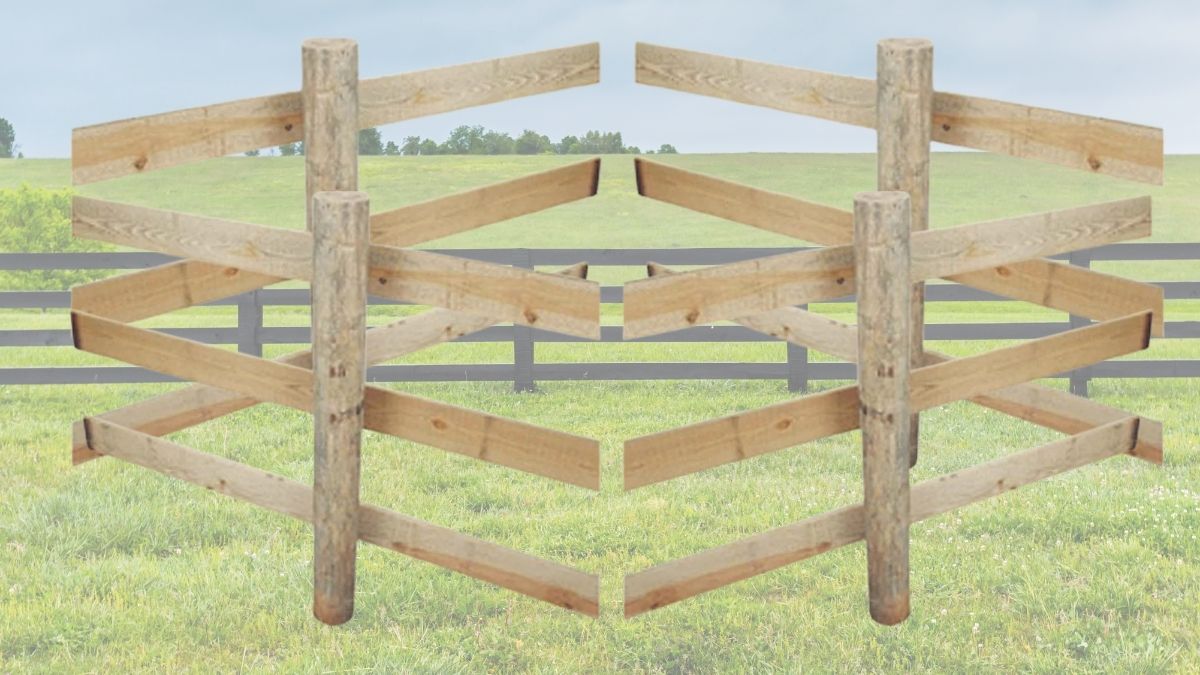
Every strong fence starts with reliable posts. Without them, even the most expensive fencing materials won’t hold up over time.
The 6.5 ft. x 3.5–4 in. treated wood fence post brings together durability, affordability, and versatility, making it one of the go-to choices for homeowners and professionals working on residential or light agricultural fencing.
From defining property lines to supporting garden structures, these treated posts serve multiple purposes while keeping costs reasonable. Before beginning installation, understanding the material and proper use ensures maximum performance and longevity.
Why Treated Wood Fence Posts Stand Out
When building outdoor structures, few materials can compete with the natural strength and flexibility of wood. However, untreated wood exposed to soil and weather deteriorates quickly. This is where pressure-treated pine makes a real difference—it’s designed to withstand the elements and resist decay, moisture, and insects.
Treated fence posts undergo a pressurized chemical process that forces preservatives deep into the wood fibers. This protection gives the material its signature greenish tint, signaling readiness for ground contact use. The result is a product that balances natural beauty with enhanced durability.
Built for Outdoor Performance
Each post measures 6.5 feet in length, with a tapered diameter ranging from 3.5 to 4 inches. This design allows easier installation while offering reliable ground stability. The wider end anchors securely in the soil, while the narrower top provides a balanced fit for rails or fencing panels.
These posts hold up well under constant outdoor exposure. With the right installation and periodic care, they can endure harsh seasons without bending, cracking, or rotting prematurely. Beyond performance, they maintain a rustic appearance that blends easily with natural surroundings. Over time, they develop a weathered gray finish that enhances outdoor aesthetics rather than detracting from them.
Ideal Uses for Treated Wood Fence Posts
A single post type can serve several purposes when chosen wisely. These 6.5 ft. treated posts offer excellent flexibility, allowing them to adapt to various property and landscape needs.
Residential and Property Fencing
Perfect for defining property lines, backyards, and driveways, these posts support multiple fence styles—wire, wooden slats, or mesh. With spacing between 6 to 8 feet, they create a sturdy, even structure that balances strength with efficient material use.
Garden and Decorative Borders
In garden spaces, these posts act as reliable anchors for raised beds, trellises, and decorative dividers. Their natural look complements the environment, and the treated finish prevents deterioration when exposed to damp soil and frequent watering.
Light Livestock Enclosures
For small animals such as goats, sheep, or chickens, these posts provide solid framework support. Combined with mesh or wire fencing, they form cost-effective enclosures that remain stable under moderate pressure. For heavier livestock, however, thicker or reinforced posts are more suitable.
DIY Outdoor Projects
Creativity meets practicality with treated wood. Many builders repurpose these posts for mailbox stands, garden lights, or pergola foundations. Their strength and simple shape make them an easy fit for custom outdoor installations.
Installation Guidelines for Best Results
Installing fence posts correctly determines the strength and lifespan of the entire fence. Taking time during setup prevents sagging, misalignment, and premature wear.
Step 1: Prepare the Ground
Start by marking post locations with a string line to ensure consistent spacing and straight alignment. Holes should be 2–2.5 feet deep—around one-third of each post’s length—and about 10–12 inches wide. This depth provides sufficient stability for most residential fences.
At the bottom of each hole, add a 4–6-inch gravel layer for drainage. Proper drainage keeps the post base dry and reduces rot risk even for treated wood.
Step 2: Secure the Post
For maximum hold, fill the hole with concrete around the post and slope the top away from the wood to direct water runoff. Where flexibility is needed, use tamped soil and gravel as a semi-permanent option. Check that each post remains level and plumb before the concrete sets.
Step 3: Maintain Consistent Spacing and Height
Keep posts 6–8 feet apart for standard residential fencing. Shorter spacing strengthens the structure in windy areas. For even alignment, tie a string between end posts before placing intermediates.
When installing, always position the thicker end of the post downward—this creates a stable foundation and prevents top-heaviness once fencing material is attached.
Step 4: Use the Right Hardware
Only galvanized or stainless-steel nails, screws, or brackets should be used to attach rails and panels. These metals resist corrosion that could otherwise weaken connections. Pre-drilling holes prevents the wood from splitting during assembly. For added longevity, consider post caps to keep water from entering the exposed top grain.
Maintenance and Lifespan Enhancement
Even treated wood benefits from occasional upkeep. Regular care extends life expectancy and preserves both appearance and function.
Protective Coating
A clear wood sealant or water-repellent finish helps prevent surface cracking from sunlight exposure. Reapply every two to three years, especially in high-humidity or high-sunlight regions.
Seasonal Inspections
Once a year, walk the fence line and inspect for signs of decay or loose connections. Replace damaged posts promptly to prevent structural weakness spreading along the fence.
Adaptation to Environment
Local weather conditions affect post longevity. In wet or clay-heavy soil, gravel bases or French drains improve performance by keeping posts dry. In regions with high wind, setting deeper foundations strengthens stability.
Cost and Value Considerations
Each treated post is currently priced at $10.79, offering strong value for durability and versatility. For large-scale fencing projects, bulk discounts apply when purchasing 25 or more posts.
When compared to cedar, metal, or composite posts, these treated pine options cost less while still providing dependable outdoor performance. For a typical 100-foot fence, plan for 15–20 posts, depending on terrain and spacing preferences.
Factoring in installation materials such as concrete, gravel, and hardware, the overall investment remains practical for most residential property owners.
Choosing the Right Posts for Your Project
Not every post suits every purpose, so evaluating needs before purchase ensures the best outcome. For corner sections, gates, or high-stress points, consider upgrading to thicker posts such as 6×6 models. These provide additional reinforcement for heavy loads.
When selecting posts, check for straightness, minimal knots, and uniform taper. Minor imperfections are natural but should not compromise structure.
Properly selected and installed, these treated posts can last for many years—maintaining both strength and appearance across all types of fencing projects.
Closing Notes
Reliable, cost-effective, and built for outdoor endurance, the 6.5 ft. x 3.5–4 in. treated wood fence post remains a trusted choice for builders, landscapers, and property owners alike. It combines time-tested craftsmanship with modern preservation techniques, ensuring stability and strength for years of use.
For those starting a new fencing or outdoor project, take time to browse other treated wood and fencing materials available at Tractor Supply. Comparing different post types, sizes, and treatments ensures every fence—big or small—is built to last and look great doing it.
Leave a Reply