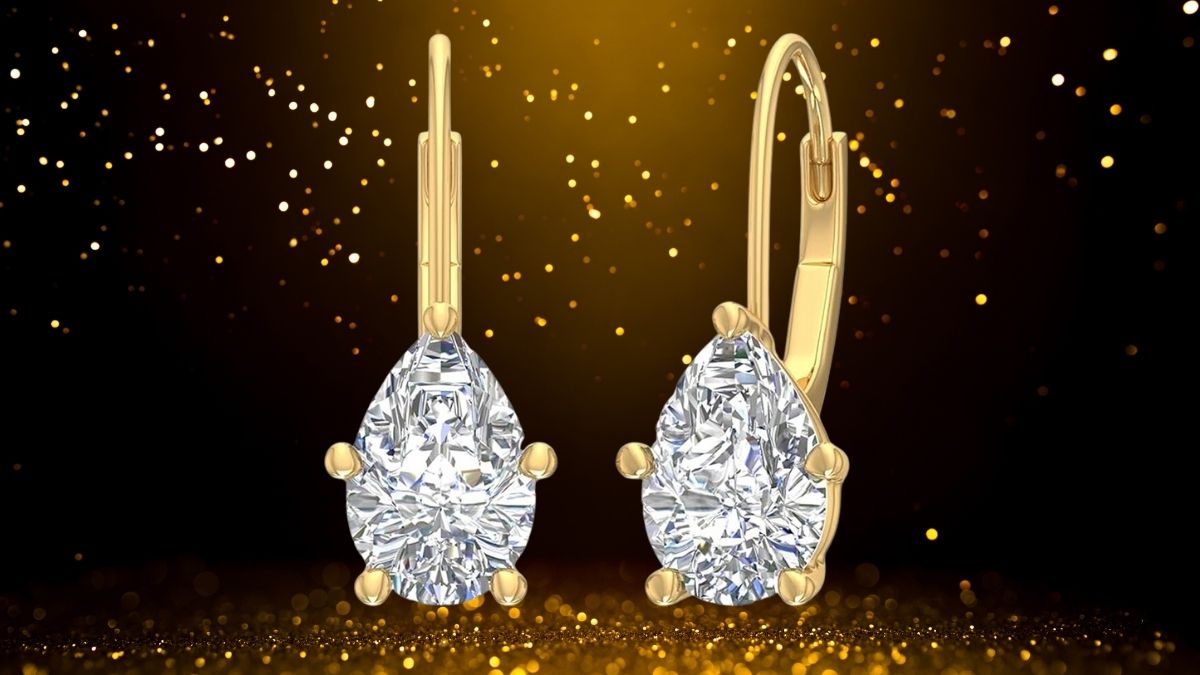
Lab-grown diamonds have reshaped fine jewelry, especially in high-carat pieces.
A pair of 14K 6.00 ct. tw. lab-grown diamond earrings offers the same visual impact as mined diamonds, but with a cleaner origin story.
If you want size, sparkle, and peace of mind, this category hits a rare balance.
What the Specs Mean
It is “14K” that describes the gold setting. Fourteen-karat gold is 58.3% pure gold blended with stronger alloys. That makes it tougher than 18K while still looking rich, which matters for earrings that see daily friction. These settings come in white, yellow, or rose gold, each shifting the overall tone slightly.
The “6.00 ct. tw.” means total carat weight across both earrings. In classic studs, that often lands around 3.00 carats per ear, so the look is unmistakably bold.
In halo or cluster designs, the weight may be split between a center stone and accents, but the presence stays substantial.
Quality Expectations
Premium lab-grown earrings usually fall into strong “four Cs” ranges:
- Color: F–G, so they read colorless to near-colorless in real wear.
- Clarity: VS range, meaning inclusions are minor and hard to see.
- Cut: Excellent or Ideal, which drives brilliance more than anything else.
- Shape: Round brilliant is common for maximum sparkle.
Lab-Grown vs. Natural Diamonds
Lab-grown diamonds are real diamonds. They share the same carbon crystal structure, hardness, and light performance as mined stones.
The only difference is origin: lab diamonds are grown in controlled environments rather than mined from the earth. Even pros need special tools to separate them.
Certification You Should Look For
A six-carat pair is a major purchase, so documentation is key. Reliable sellers provide IGI or GIA grading reports listing carat, color, clarity, cut, and confirming lab-grown origin.
This protects your purchase and supports insurance appraisals.
How Lab-Grown Diamonds Are Made
Two processes dominate. HPHT uses high heat and pressure to recreate natural diamond growth around a seed crystal.
CVD grows diamonds layer by layer from carbon-rich gas in a chamber. Both yield genuine diamonds, and modern controls keep color and clarity consistent.
Design and Setting Options
Six total carats allow multiple styles. Four-prong studs show the stone clearly and let in maximum light. Martini or basket settings sit lower for comfort and extra security.
Bezels surround the diamond in gold and are ideal for active wear, though they slightly reduce edge sparkle.
Backings matter with heavier earrings. Screw-backs offer the best security. Push-backs are easier but can loosen over time.
Latch-backs often appear on drop styles and balance hold with convenience.
Price and Value
Lab-grown diamonds cost far less than mined diamonds at the same size and grade. Final price still depends on cut precision, color/clarity level, and setting complexity. Expect premiums for top-cut stones and intricate metalwork.
Resale values for lab diamonds are still evolving and are typically lower than mined stones today. Think of these earrings as long-term personal luxury rather than a quick investment flip.
Styling and Wear
These earrings are statement-first. For formal events, pair them with swept-back hair and keep necklaces minimal.
For daily luxury, let them lift simple outfits like tailored basics or a black dress. Stick to one focal piece and keep other jewelry slim.
Care and Maintenance
Clean with warm water, mild soap, and a soft brush around prongs. Store separately in a pouch or lined box. Because the stones are large, have prongs and backings checked yearly, and schedule professional cleaning every six months.
Bottom Line
The 14K 6.00 ct. tw. lab-grown diamond earrings deliver high-carat glamour with modern ethics. You get the presence of mined diamonds, backed by certification and a lighter footprint.
If you want earrings that feel special every time you wear them, this is a standout choice.
Leave a Reply